

Depression and Anxiety Treatment in Ocala, FL
Support for Mood and Mental Clarity
- Common In:
- Adults of all ages
- Primary Causes:
- Multifactorial, biological
- Treatment Time:
- 20-25 minutes
- Results:
- 2 to 4 weeks


What Are Depression and Anxiety?
Recognizing the Signs
Depression and anxiety are distinct but frequently co-occurring conditions. Major depressive disorder involves persistent low mood or loss of interest alongside changes in sleep, appetite, energy, concentration and self-worth. Anxiety disorders involve excessive, difficult-to-control worry with physical features such as restlessness, muscle tension and disturbed sleep. Both are medical conditions with biological, psychological and social contributors.
When you notice that motivation which used to be automatic now takes visible effort, or that worry runs in the background of every quiet moment, those are recognizable clinical patterns rather than a character flaw.
Patients often describe functioning outwardly while feeling flat or braced inwardly, and many have never told a clinician. If you are in crisis or having thoughts of harming yourself, call or text 988 in the United States, or go to your nearest emergency department.
Why Depression and Anxiety Happen
Understanding the Root Causes
01The Science
There is no single cause. Current understanding points to disrupted communication within brain networks rather than a simple chemical shortage. The dorsolateral prefrontal cortex, which supports executive control and helps regulate emotional responses, frequently shows altered activity and connectivity in both depression and anxiety.
The consequences cascade. Reduced prefrontal regulation means the limbic system, including the amygdala, responds more strongly and for longer to stressors. That produces the physical symptoms patients notice most: disturbed sleep, muscle tension, and a persistent sense of being on alert.
Chronic stress feeds the loop. Sustained cortisol elevation affects neuroplasticity in regions involved in mood and memory, which is part of why symptoms become self-sustaining. Genetics, medical illness, thyroid dysfunction, sleep disorders and life circumstances all contribute. Non-invasive brain stimulation targets the prefrontal region directly, which is the basis of TMS therapy for depression and anxiety. The National Institute of Mental Health publishes reliable patient information.
02Deeper Understanding
Scope of Care and When to Seek Medical Help
What a Wellness Practice Can and Cannot Do
Chandra Wellness Center is a wellness practice, not a psychiatric clinic, and being clear about that distinction matters more here than anywhere else on this website. We do not diagnose psychiatric conditions, prescribe or adjust medication, or provide psychotherapy or crisis care. Exomind is offered as supportive wellness care under the medical oversight of Dr. Ravi Chandra, MD.
What that means practically is that we work alongside your existing care rather than replacing it. If you have a prescriber, we coordinate with them and you continue your medication exactly as directed. If you do not have one and your symptoms suggest you should, we will say so and help you find psychiatric care rather than treating around the gap.
Clinical psychiatric TMS for diagnosed major depressive disorder is a distinct, longer protocol, typically 20 to 36 sessions, often insurance-covered and delivered under psychiatric supervision. If that is what your situation calls for, we will tell you plainly. Patients whose primary concern is cognitive rather than emotional can read our brain fog page.
What Can Worsen Depression and Anxiety?
Several factors influence symptom severity, and addressing the modifiable ones often matters as much as any single treatment.
- 01Sleep DisruptionPoor or fragmented sleep both worsens and results from mood symptoms, creating a self-reinforcing loop.
- 02Chronic StressSustained cortisol elevation affects neuroplasticity in regions involved in mood regulation and memory.
- 03Medical ConditionsThyroid dysfunction, anemia, sleep apnea and chronic pain can produce or amplify mood symptoms.
- 04Alcohol and SubstancesAlcohol is a depressant and disrupts sleep architecture, worsening both mood and anxiety over time.
- 05IsolationReduced social contact removes a protective factor and tends to deepen and prolong symptoms.
- 06InactivityLow physical activity is associated with worse mood outcomes, and movement is one of the better-supported interventions.

Why Choose Chandra Wellness for Depression and Anxiety Support in Ocala, FL
At Chandra Wellness Center we are deliberately conservative with this area: we screen thoroughly, we coordinate with your existing prescriber, and we refer to psychiatric care when that is the right first step.
- Physician Oversight
- Dr. Ravi Chandra, MD provides medical oversight for the wellness program.
- Careful Screening
- Seizure history, implants and current medications are reviewed before any session.
- We Coordinate
- We work alongside your prescriber and therapist rather than around them.
- Clear Scope
- We state plainly what a wellness practice can and cannot provide.
- Complete Privacy
- One patient at a time in a private suite inside our Ocala practice, never a shared treatment floor.
- Treated Personally
- Every session is performed by Dr. Chandra herself, one patient at a time in a private suite.
Treatment Options Comparison
The treatment we offer for this concern is listed below. It is supportive care that works alongside psychiatric treatment rather than replacing it.
| Treatment | Best For | Session Time | Results Timeline | Maintenance |
|---|---|---|---|---|
| TMS Therapy with Exomind | Non-drug mood and focus support | 20 to 25 min | 2 to 4 weeks | Every 3 to 6 months |
You May Be Experiencing Depression or Anxiety If...
Recognizing these patterns is a reason to speak with a clinician. If you are having thoughts of harming yourself, call or text 988 now rather than booking an appointment.
Persistent Low Mood
You have felt flat, low or emotionally muted most days for two weeks or longer.
Loss of Interest
Activities that used to matter to you feel effortful or simply do not register any more.
Constant Worry
Worry runs in the background most days and is difficult to switch off or reason with.
Physical Tension
You carry tension in your jaw, shoulders or stomach and rarely feel physically settled.
Sleep Changes
You sleep far more or far less than usual, or wake in the early hours unable to settle.
Concentration Loss
Focus fragments quickly and reading or working takes noticeably more effort than before.
Related Services
Explore the supportive wellness treatment we offer for mood.
View All Services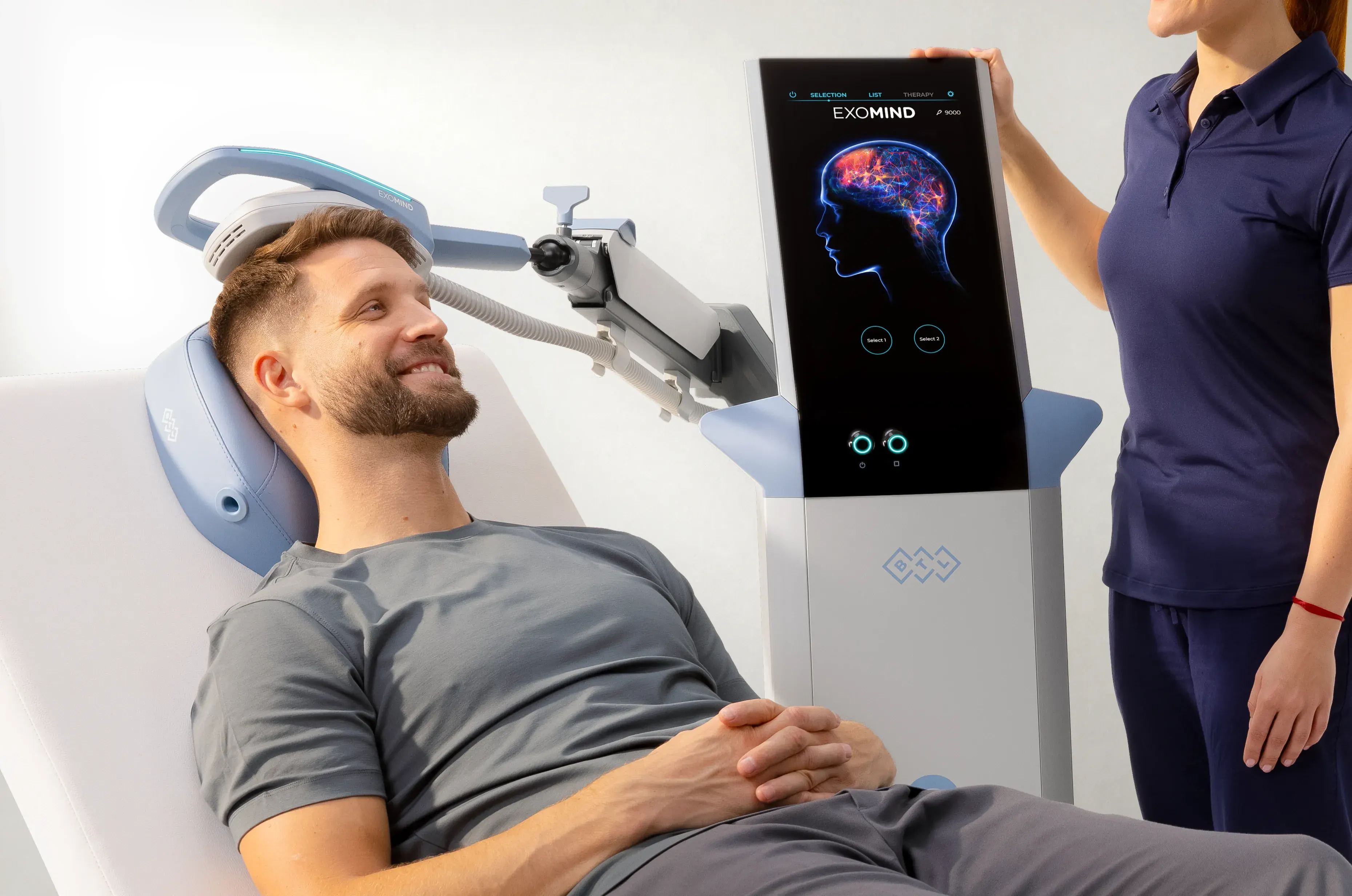
Treatments
TMS Therapy with Exomind
Non-invasive magnetic stimulation to support mood, focus and clarity.
- No Sedation
- Short Sessions
- No Medication
Treatments
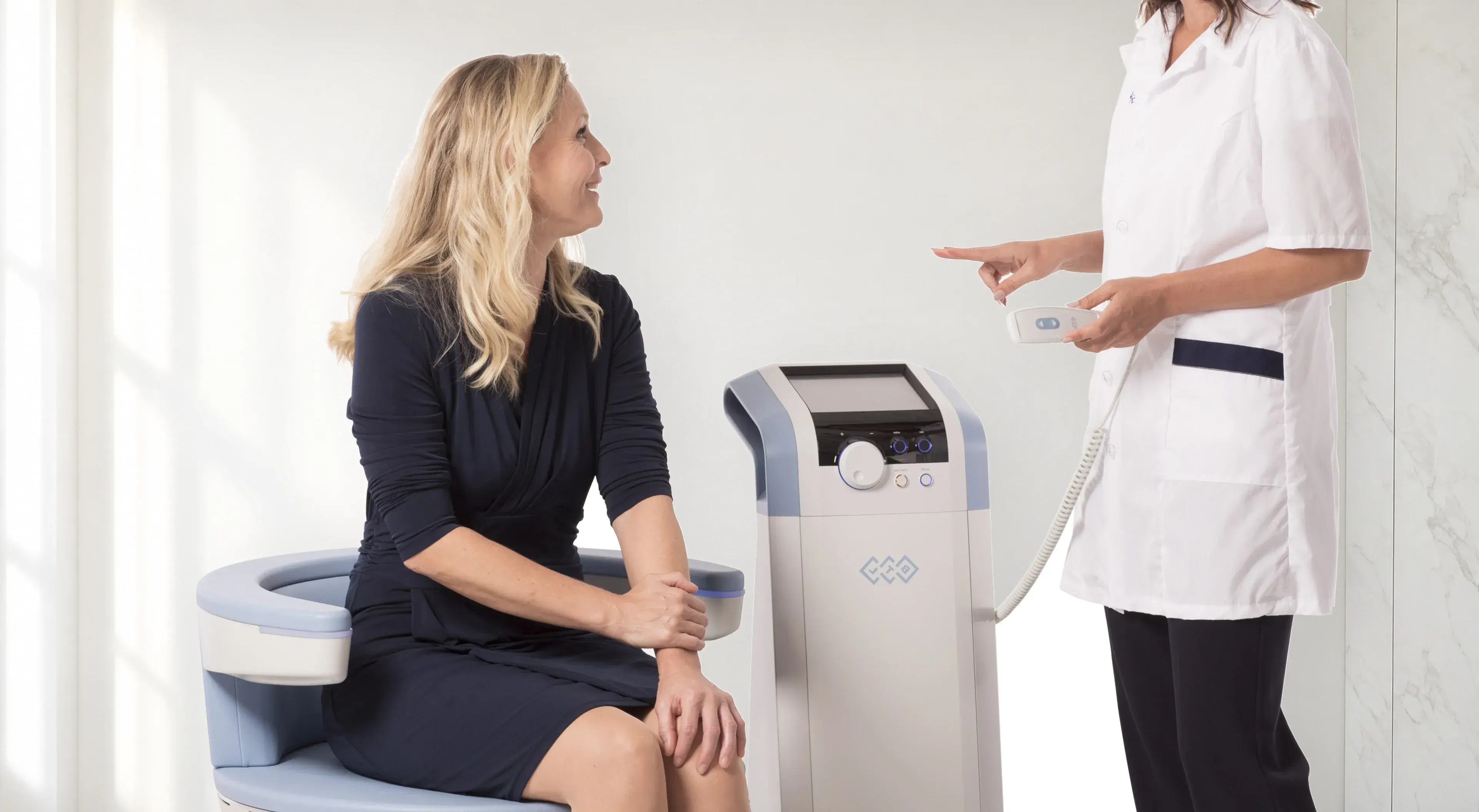
Pelvic Floor Therapy with Emsella
Strengthens the pelvic floor in 28 minutes while you sit fully clothed.
- Fully Clothed
- No Technique
- 28 Minutes
Treatments
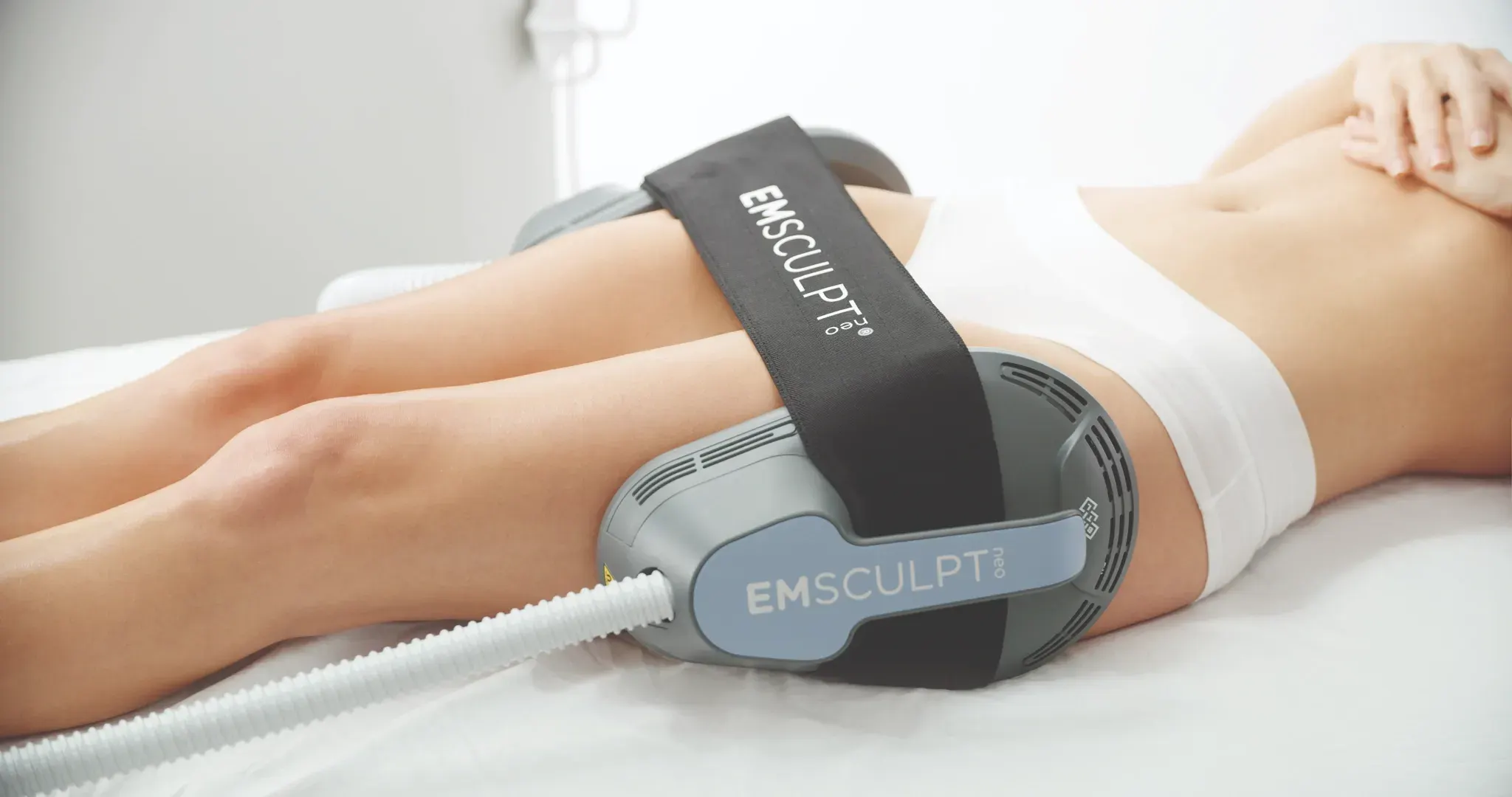
Muscle Recovery
Rebuilds strength and core support without loading a healing joint.
- Works When Weak
- Supports Rehab
- No Joint Loading
Frequently Asked Questions
Is this a replacement for psychiatric treatment?
No, and we want to be completely clear about that. We are a wellness practice. We do not diagnose psychiatric conditions, prescribe medication or provide therapy or crisis care. Exomind is supportive care offered alongside your existing treatment, not instead of it.
What should I do if I am in crisis right now?
Do not wait for an appointment. Call or text 988 in the United States for the Suicide and Crisis Lifeline, or go to your nearest emergency department. We are not equipped for crisis care and will tell you so plainly rather than book you in.
Do I have to stop my medication?
No, and you should not change any prescription without speaking to the prescriber who wrote it. We ask for a full medication list because some drugs lower the seizure threshold and affect suitability for magnetic stimulation. We coordinate with your prescriber.
How quickly might I notice a change?
Patients who respond usually notice something in the second to fourth week of a course, often improved focus before any mood change. Effects are cumulative rather than immediate. Some patients notice little or nothing, and we say so honestly.
How is this different from clinical psychiatric TMS?
Clinical TMS for diagnosed major depressive disorder is a longer protocol, typically 20 to 36 sessions, delivered under psychiatric supervision and often insurance-covered. Our wellness course is shorter and supportive in intent. If you need the clinical protocol, we will say so.
Can lifestyle changes help alongside treatment?
Considerably. Regular physical activity, consistent sleep timing, reduced alcohol and maintained social contact all have reasonable supporting evidence for mood. None of them replace clinical treatment, but they meaningfully affect how well anything else works.
Could my symptoms have a medical cause?
Sometimes, and it is worth checking. Thyroid dysfunction, anemia, vitamin deficiency, sleep apnea and chronic pain can all produce or amplify mood symptoms. If you have not had basic bloodwork and a sleep assessment, that is a reasonable starting point.
When should I see a psychiatrist rather than a wellness clinic?
If you have thoughts of self-harm, symptoms that impair daily functioning, a diagnosis needing medication management, or a history of bipolar disorder or psychosis. Those need psychiatric care, and we will refer you rather than treat around them.
Schedule Today Your Complimentary Consultation
Scientific References
- Bello et al., JAMA Psychiatry. (2025). Symptom Provocation and Clinical Response to Transcranial Magnetic Stimulation: A Systematic Review and Meta-Analysis. PMID: 40465306.
- Terao et al., J Affect Disord. (2025). Effectiveness of personalized repetitive transcranial magnetic stimulation for major depressive disorder: A systematic review and meta-analysis of randomized active-controlled trials. PMID: 40194626.
- Qi et al., J Psychiatr Res. (2024). Non-invasive brain stimulation in the treatment of generalized anxiety disorder: A systematic review and meta-analysis. PMID: 39208534.
- Parikh et al., Int J Neuropsychopharmacol. (2022). Repetitive Transcranial Magnetic Stimulation for Generalized Anxiety Disorder: A Systematic Literature Review and Meta-Analysis. PMID: 34791241.
- Hyde et al., Mol Psychiatry. (2022). Efficacy of neurostimulation across mental disorders: systematic review and meta-analysis of 208 randomized controlled trials. PMID: 35365806.
- National Institute of Mental Health. (2024). Patient information on anxiety disorders, symptoms and treatment options.