
TMS Therapy with Exomind in Ocala, FL
- Treatment Time:
- 20‑25 minutes
- Downtime:
- None
- Sessions:
- 6‑8 typical
- Results Onset:
- 2‑4 weeks
Mental Wellness Technology
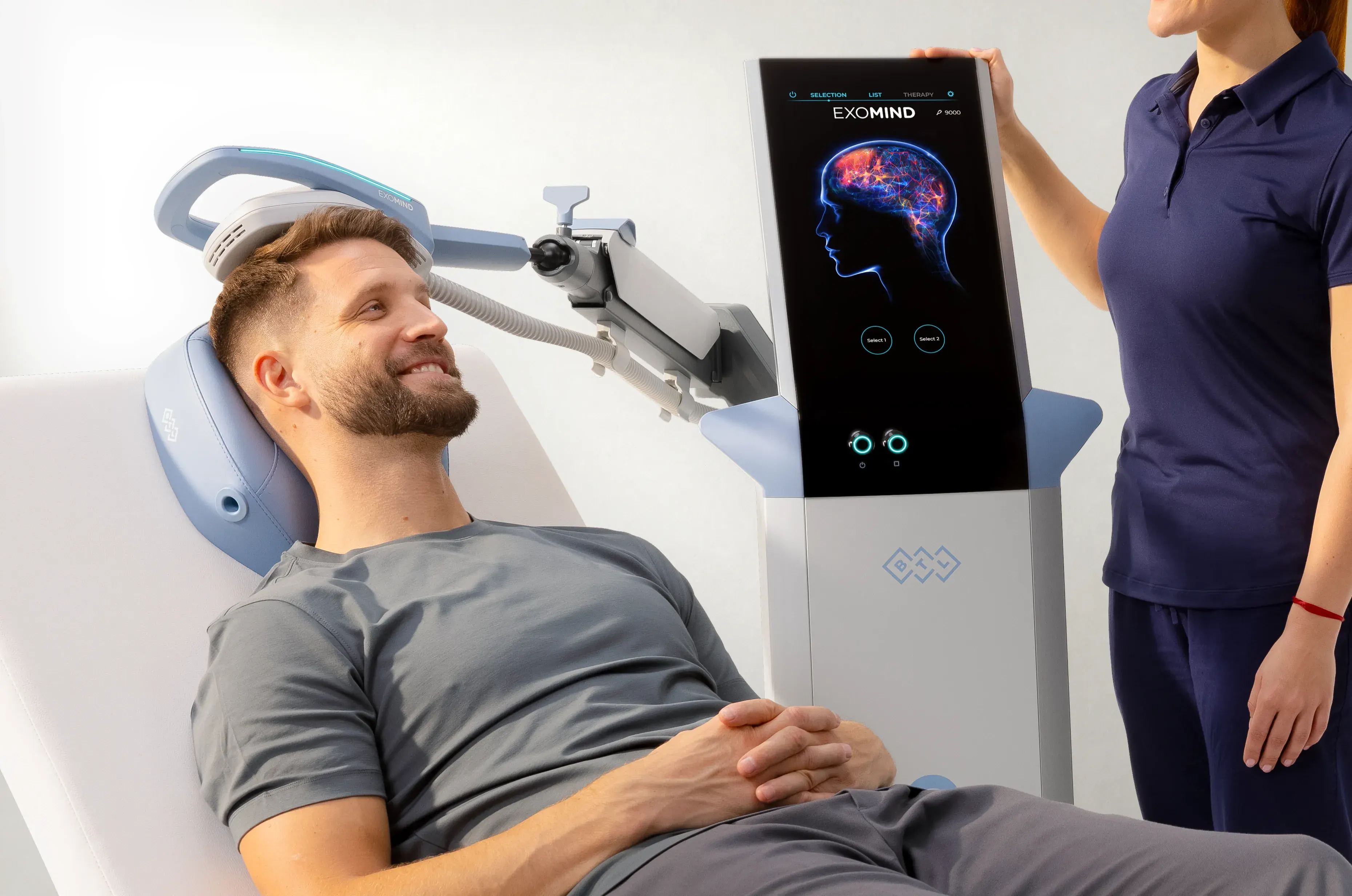
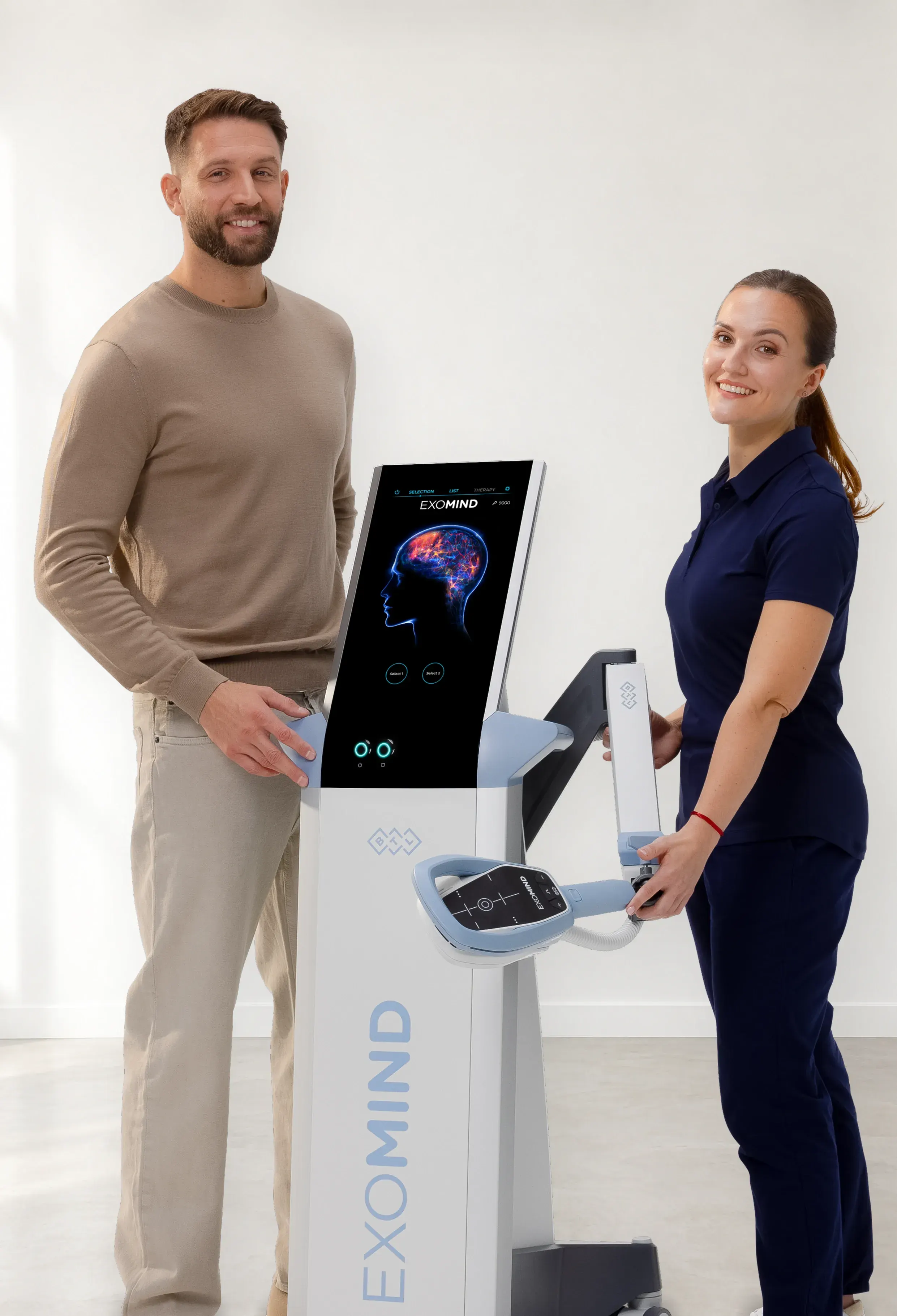
TMS therapy with Exomind in Ocala, FL directs non-invasive magnetic stimulation at the prefrontal cortex, the region tied to mood and focus. We also see patients from Belleview, Silver Springs, Summerfield, The Villages and Dunnellon.
Dr. Tina Chandra, DDS runs the Exomind program with medical support from Dr. Ravi Chandra, MD. We are a wellness practice, not a psychiatric clinic, and we coordinate with your prescriber.
The Challenge
How TMS Therapy Addresses a Flat, Foggy Baseline
Understanding Prefrontal Activity
Patients often arrive describing a baseline rather than a crisis. Motivation that used to be automatic now takes effort. Focus fragments after twenty minutes. Mood sits flat rather than low. Words go missing mid-sentence and the mental sharpness that carried a career feels dulled. Some are already on medication and doing better than they were, but not back to themselves. Others do not want medication at all. Sleep, stress, hormones and illness all feed into it, and nothing about it is simply a matter of trying harder.
Transcranial magnetic stimulation works from the outside in. A coil placed against the scalp generates brief magnetic pulses that pass painlessly through the skull and induce small electrical currents in the cortex beneath. Directed at the dorsolateral prefrontal cortex, repeated stimulation is thought to shift activity and connectivity in the networks that govern mood regulation and executive function. You sit upright, fully clothed, feeling a tapping on the scalp, and you drive yourself home afterward. Change, when it comes, is gradual across a course rather than immediate.
Understanding Your Treatment
What Is TMS Therapy?
The Science of Magnetic Stimulation
TMS therapy is non-invasive brain stimulation. A coil held against the scalp delivers brief magnetic pulses that induce small electrical currents in the cortex below, with no sedation and no medication. Exomind directs stimulation at the dorsolateral prefrontal cortex. The NIMH is a reliable starting point for understanding mood conditions.
Repeated stimulation of that region is thought to modulate activity in the networks that support mood regulation, attention and executive function. Effects are cumulative rather than immediate, which is why a course of sessions is used. Most patients notice change gradually across two to four weeks.
Treatment Timeline:
- First Signs:
- 2 to 4 weeks
- Full Effect:
- End of course
- Treatment Time:
- 20 to 25 minutes
- Recovery:
- None
What We Support
TMS Therapy Focus Areas
Mood, Focus and Clarity

Low Mood
Supports mood regulation in patients feeling flat or low
Anxious Tension
Supports patients carrying persistent worry and tension
Brain Fog
Targets the region tied to clear thinking and recall
Poor Focus
Supports sustained attention and task follow-through
Low Motivation
Addresses the executive drive to start and finish tasks
Mental Fatigue
Supports patients who feel mentally drained by mid-day
Benefits of Exomind TMS Therapy
TMS Therapy vs. Alternatives
TMS is not a replacement for psychiatric treatment. It is one option among several and is often used alongside the others rather than instead of them.
| Treatment | Mechanism | Time | Results | Duration | Downtime | Best For |
|---|---|---|---|---|---|---|
| Exomind TMS | Magnetic cortical stimulation | 20 to 25 minutes | Gradual over weeks | Maintained every 3 to 6 months | None | Non-drug support |
| Antidepressant medication | Neurotransmitter modulation | Daily dosing | 4 to 8 weeks | While taken | Side effects | Diagnosed depression |
| Psychotherapy | Structured talk therapy | 45 to 60 minutes | Gradual over months | Often durable | None | Skills and insight |
| Electroconvulsive therapy | Induced seizure under anesthesia | 5 to 10 minutes | Often rapid | Needs maintenance | Recovery time | Severe, resistant cases |
| Sleep and lifestyle work | Behavioral and circadian | Ongoing | Gradual | While maintained | None | Foundational health |









Who Is a Good Candidate for TMS Therapy?
Exomind is offered as supportive wellness care for adults who want a non-medication option for mood, focus and mental clarity. It is not a diagnosis, not psychiatric treatment, and not appropriate for anyone in crisis.
Ideal Candidates for TMS Therapy
- Adults with persistent low mood, poor focus, or mental fatigue who want a non-drug option
- Patients already under a prescriber's care who want additional support alongside it
- Anyone who has not tolerated medication well and is looking for another route
- Patients with realistic expectations of gradual, variable change across a course
- People able to attend a course of six to eight sessions and be honest about progress
Who Should Wait or Avoid TMS Therapy
- Anyone in mental health crisis or with thoughts of self-harm, who needs urgent psychiatric care
- A personal history of seizures or epilepsy, or a family history of a seizure disorder
- Any metal or electronic implant in or near the head, including cochlear implants, aneurysm clips, stents and deep brain stimulators
- Cardiac pacemakers, defibrillators, neurostimulators, drug pumps, or magnetically programmable shunts
- Pregnancy, a history of traumatic brain injury or stroke, or medications that lower the seizure threshold
If you are in crisis, do not book an appointment: call or text 988 in the United States for the Suicide and Crisis Lifeline, or go to your nearest emergency department. Seizure history and cranial implants are absolute contraindications for magnetic stimulation, so bring a full medical, implant and medication list. Patients exploring the conditions themselves can read our depression and anxiety and brain fog pages, and the NIMH publishes reliable patient information.

What Happens During TMS Therapy
Screening
We review seizure history, implants, medications and current care.
Positioning
The coil is placed and aligned over the prefrontal target area.
Treatment
You sit upright for 20 to 25 minutes, feeling a tapping on the scalp.
Check-In
We record a brief self-report score and book the next session.
Risks and Side Effects
What to Know
Common TMS Therapy Side Effects
The most common effects are scalp discomfort or tenderness at the coil site during and shortly after the session, and a mild headache that usually resolves within a couple of hours and responds to over-the-counter analgesia. Some patients notice facial muscle twitching during stimulation, lightheadedness immediately afterward, or brief tearing of the eyes. These are transient.
Rare Complications
Seizure is the serious risk associated with transcranial magnetic stimulation. It is rare, and rigorous screening for seizure history, cranial implants and seizure-lowering medications is what keeps it rare. Hearing changes from the acoustic click of the coil are avoided with ear protection. Emergence or worsening of mood symptoms, including agitation, is uncommon but is a reason to stop and seek psychiatric review immediately.
Safety and Scope of Care
Transcranial magnetic stimulation is an established non-invasive modality supported by a large body of randomized and meta-analytic evidence in mood and cognitive domains. At Chandra Wellness Center it is offered as supportive wellness care under the medical oversight of Dr. Ravi Chandra, MD. It is not a diagnosis and does not replace psychiatric assessment, medication management or therapy. If you are in crisis, call or text 988 or go to your nearest emergency department.
Investment
TMS Therapy Cost in Ocala
Pricing and Payment Options
How Much Does TMS Therapy Cost in Ocala?
Cost depends on how many sessions your course includes and whether you continue with maintenance every 3 to 6 months. A typical course is six to eight sessions. Because Exomind is offered here as elective wellness care rather than as billed psychiatric treatment, it is not usually covered by insurance, so we quote a clear total rather than an estimate. If your situation calls for insurance-covered psychiatric TMS instead, we will tell you and help you find it. Exact pricing will be discussed during your personalized consultation with our team, alongside an honest assessment of whether this is the right starting point for you.
Flexible Payment Options
Third-party financing spreads a full course across monthly payments.
- Cherry - fast approval and monthly plans, with no hard credit impact to check your options
- PatientFi - longer-term plans designed for elective wellness care
Call (352) 861-0224 or contact our Ocala office to price your course.
The Chandra Wellness Difference
Why Choose Chandra Wellness for TMS Therapy in Ocala
Careful Care in Ocala
Dr. Ravi Chandra, MD is quadruple board certified with over 30 years of clinical experience and supports the wellness program medically. We are deliberately conservative here: we screen carefully, we coordinate with your existing prescriber, and we decline treatment when psychiatric care should come first.
Physician Oversight
Dr. Ravi Chandra, MD supports the program clinically
Careful Screening
Seizure risk, implants and medications reviewed before session one
We Coordinate
We work alongside your prescriber, never around them
Honest Referral
You are referred to psychiatric care when that is the right step
Complete Privacy
One patient at a time in a private suite inside our Ocala practice
Treated Personally
Dr. Tina Chandra performs every session herself, start to finish
Related Treatments
Pair mental wellness support with pelvic health and recovery.
View All Services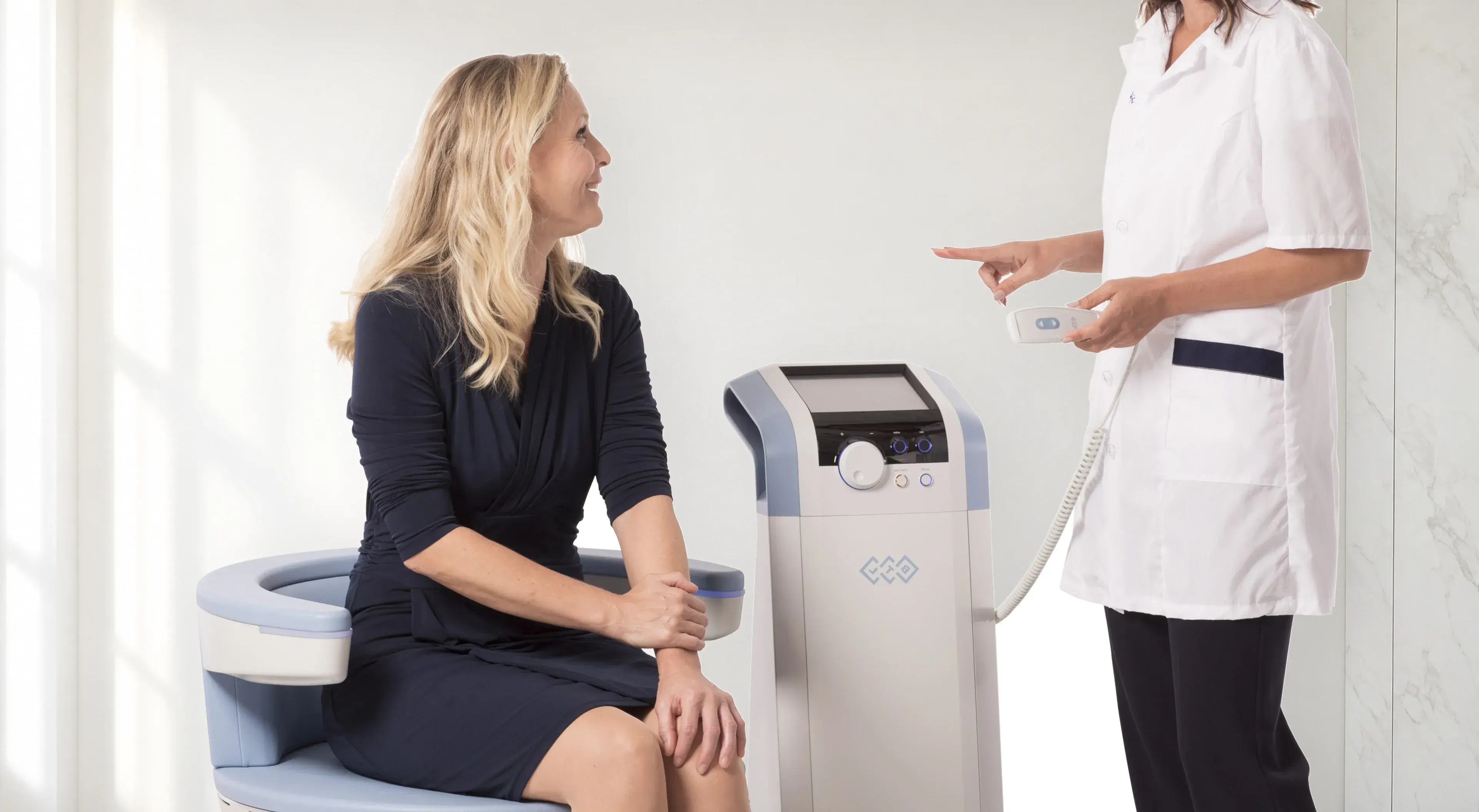
Explore More
Pelvic Floor Therapy with Emsella
Strengthens the pelvic floor in 28 minutes while you sit fully clothed.
- Fully Clothed
- No Technique
- 28 Minutes
Explore More
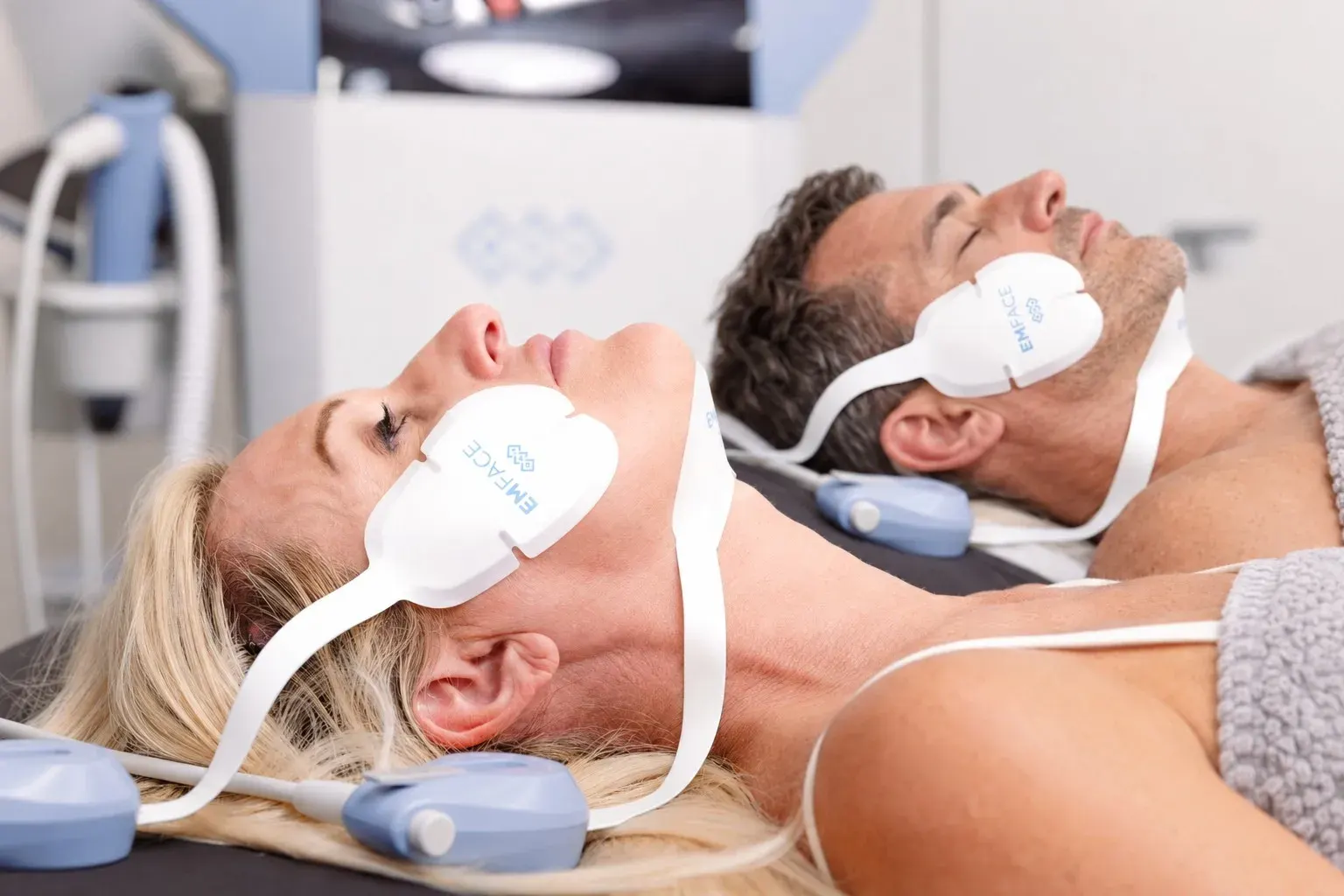
TMJ Treatment and Jaw Tension Relief
Eases jaw clenching, grinding and tension headaches without injections.
- No Injections
- Bite Preserved
- Treats the Muscle
Explore More
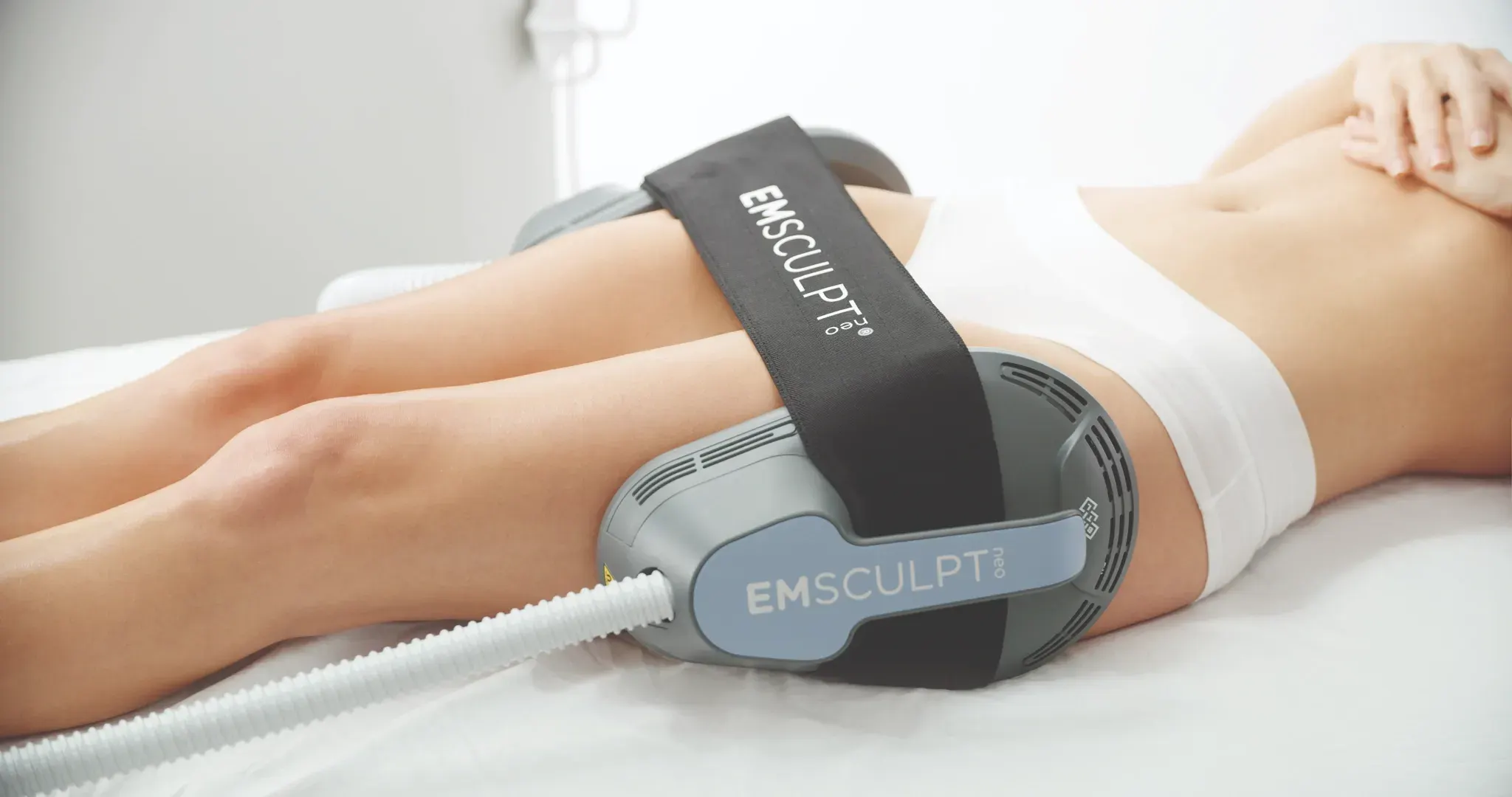
Muscle Recovery
Rebuilds strength and core support without loading a healing joint.
- Works When Weak
- Supports Rehab
- No Joint Loading
Frequently Asked Questions About TMS Therapy
How much does TMS therapy cost in Ocala?
Cost depends on the number of sessions in your course, typically six to eight. Because Exomind is offered as elective wellness care rather than billed psychiatric treatment, it is not usually covered by insurance. We give you a clear total at consultation, and financing is available.
How long do TMS therapy results last?
This varies between patients. Most hold the benefit for several months after a course, and a maintenance session every 3 to 6 months helps sustain it. We track simple self-report measures so decisions about maintenance are based on your own data.
Does TMS therapy hurt?
No, though it is an odd sensation. Most patients describe a tapping or knocking on the scalp and sometimes mild tenderness at the coil site. A short-lived headache afterward is the most common complaint. No sedation is used and you stay fully awake.
When will I notice a change from TMS therapy?
Most patients who respond notice something in the second to fourth week of a course, often sharper focus before any mood change. Effects are cumulative, not immediate. Some patients notice little or nothing, and we say so honestly rather than extending a course indefinitely.
How many TMS sessions do I need?
A typical wellness course is six to eight sessions. Clinical psychiatric TMS protocols for diagnosed depression are considerably longer, usually 20 to 36 sessions. If that is what your situation calls for, we will tell you and help you find an appropriate psychiatric provider.
What is the difference between TMS and antidepressant medication?
Medication acts systemically through neurotransmitter pathways and is taken daily. TMS stimulates a specific cortical region during scheduled sessions and involves no drug. They are not mutually exclusive, and many patients use TMS alongside a prescription rather than instead of one.
Can men have TMS therapy?
Yes. Men make up a substantial share of patients seeking non-medication support, often presenting with poor focus, low motivation and mental fatigue rather than describing low mood directly. The protocol and screening process are identical.
Is TMS the same as electroconvulsive therapy?
No. Electroconvulsive therapy deliberately induces a brief seizure under general anesthesia and requires recovery time. TMS uses focused magnetic pulses while you sit awake, involves no anesthesia, and you drive yourself home. They are very different in intensity and setting.
Do I have to stop my medication?
No, and you should not stop or change any prescription without speaking to the prescriber who wrote it. We ask for your full medication list because some drugs lower the seizure threshold and affect suitability. We coordinate with your prescriber, not around them.
Is TMS safe if I have had a seizure?
No. A personal history of seizures or epilepsy is a contraindication for transcranial magnetic stimulation, as is a family history of seizure disorder in most protocols. This is the single most important item in our screening, so please disclose it fully.
Can TMS help with brain fog rather than depression?
The dorsolateral prefrontal cortex is involved in attention and executive function, and meta-analytic work has examined stimulation of this region across cognitive as well as mood domains. Many patients come to us primarily for clarity and focus. Evidence in this area is still developing.
What if I am in crisis right now?
Do not wait for an appointment. Call or text 988 in the United States for the Suicide and Crisis Lifeline, or go to your nearest emergency department. We are a wellness practice and are not equipped for crisis care, and we will say so plainly.
Schedule Today Your Complimentary Consultation
References
- Bello et al., JAMA Psychiatry. (2025). Symptom Provocation and Clinical Response to Transcranial Magnetic Stimulation: A Systematic Review and Meta-Analysis. PMID: 40465306.
- Terao et al., J Affect Disord. (2025). Effectiveness of personalized repetitive transcranial magnetic stimulation for major depressive disorder: A systematic review and meta-analysis of randomized active-controlled trials. PMID: 40194626.
- Kan et al., Lancet Psychiatry. (2023). Effects of repetitive transcranial magnetic stimulation of the left dorsolateral prefrontal cortex on symptom domains in neuropsychiatric disorders: a systematic review and cross-diagnostic meta-analysis. PMID: 36898403.
- Qi et al., J Psychiatr Res. (2024). Non-invasive brain stimulation in the treatment of generalized anxiety disorder: A systematic review and meta-analysis. PMID: 39208534.
- Hyde et al., Mol Psychiatry. (2022). Efficacy of neurostimulation across mental disorders: systematic review and meta-analysis of 208 randomized controlled trials. PMID: 35365806.
- National Institute of Mental Health. (2024). Patient information on depression, treatment options and when to seek help.