
TMJ Treatment and Jaw Tension Relief in Ocala, FL
- Treatment Time:
- 20 minutes
- Downtime:
- None
- Sessions:
- 4‑6 typical
- Results Onset:
- 2‑4 weeks
Neuromuscular Expertise
TMJ treatment in Ocala, FL addresses the overworked jaw muscles behind clenching, grinding, tension headaches and facial aching, without injections. We also treat patients from Belleview, Silver Springs, Summerfield, The Villages and Dunnellon.
Dr. Tina Chandra, DDS holds a Graduate Fellowship from LVI Global, held by roughly 2 percent of US dentists. Jaw mechanics are her specialty, and this center sits inside her dental practice.
The Challenge
How TMJ Treatment Addresses a Jaw That Never Switches Off
Understanding Masseter Overload
The masseter is one of the strongest muscles in the body relative to its size, and it does not know when to stop. Patients describe waking with an aching jaw, a dull band of pressure across the temples by mid-morning, and a bite that feels off. Chewing steak or a bagel becomes work. There is clicking when the mouth opens, tightness that spreads into the neck, and a partner who mentions the grinding at night. Dentists point out worn enamel. Painkillers take the edge off the headache and change nothing about the cause.
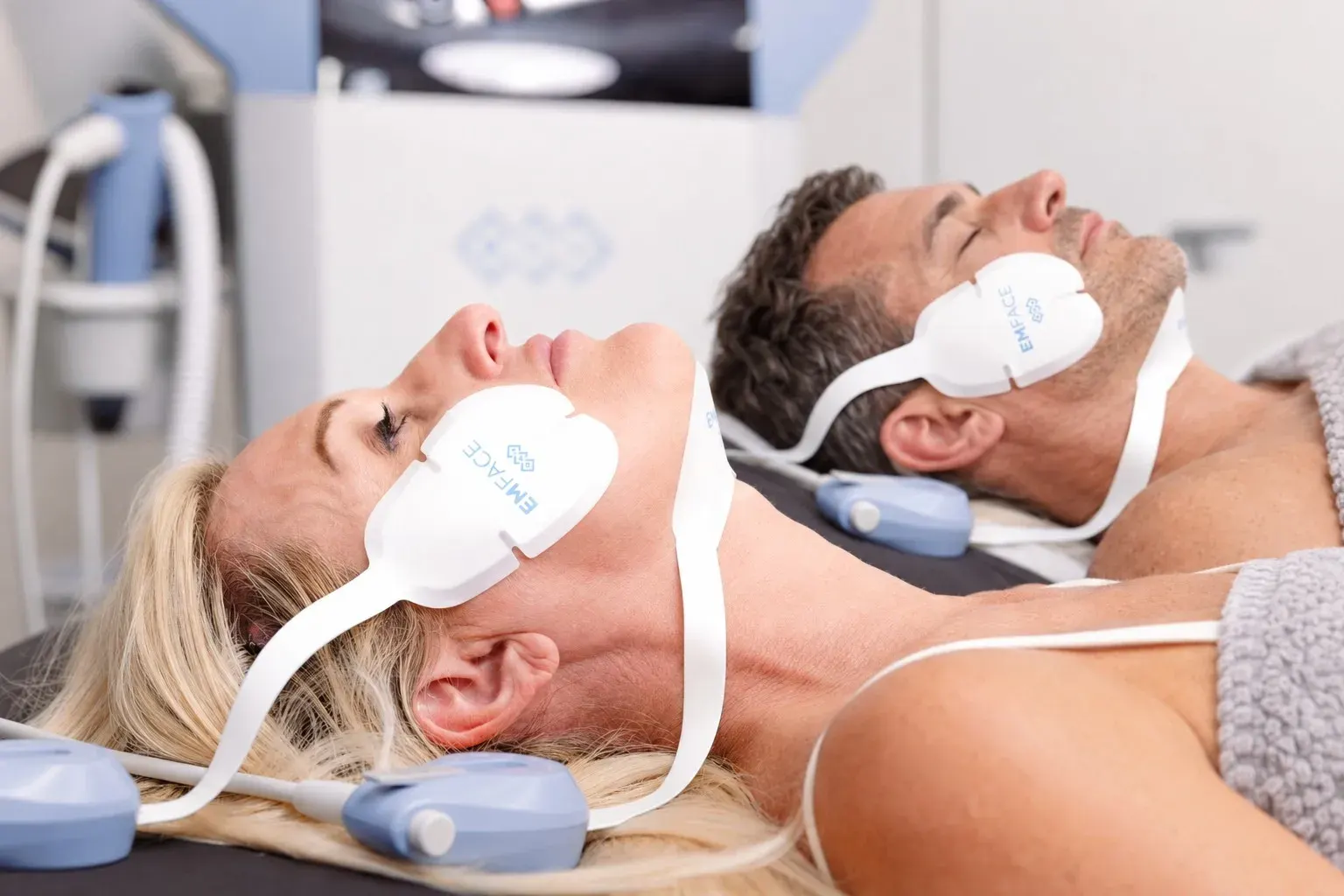
Sustained muscle overactivity is the driver, so the treatment targets the muscle. A functional electromagnetic protocol is applied over the masseter and surrounding jaw muscles to work them through controlled contraction and release cycles, encouraging the muscle out of its shortened, guarded state and improving local circulation. Because nothing is injected, bite strength is fully preserved. Dr. Chandra combines this with the neuromuscular assessment her dental training provides, so bite, posture and habit are examined rather than ignored.
Understanding Your Treatment
What Is Non-Invasive TMJ Treatment?
The Science of Jaw Muscle Work
Temporomandibular disorder, or TMD, describes pain and dysfunction in the jaw joint and the muscles that move it. Most cases are muscular rather than structural, which is why muscle-directed treatment helps. The National Institute of Dental and Craniofacial Research recommends starting with conservative, reversible care.
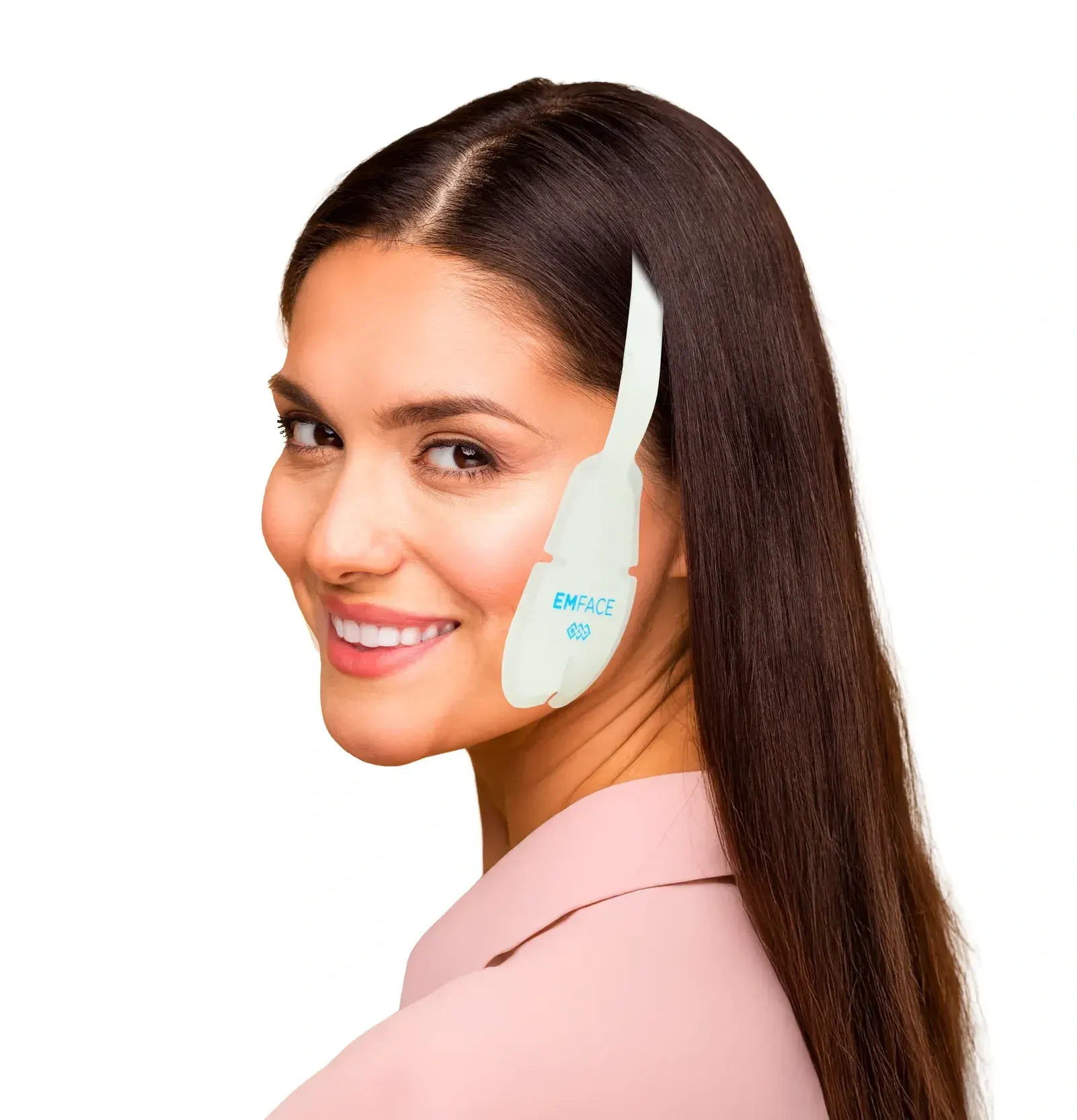
Our protocol uses the functional application of Emface over the masseter and jaw muscles, cycling controlled contraction and relaxation to reduce guarding and improve circulation. It is applied alongside a neuromuscular assessment of bite and posture. Nothing is injected and bite strength is preserved. Change builds across a short course.
Treatment Timeline:
- First Signs:
- 2 to 4 weeks
- Full Effect:
- End of course
- Treatment Time:
- 20 minutes
- Recovery:
- None
What We Treat
TMJ Treatment Focus Areas
Jaw, Temple and Facial Tension
Jaw Clenching
Daytime clenching that leaves the jaw aching by evening
Teeth Grinding
Night-time bruxism that wears enamel and wakes partners
Tension Headaches
The band of pressure across the temples and forehead
Masseter Tension
Chronic tightness and bulk in the main chewing muscle
Limited Opening
A jaw that will not open fully or feels stiff on waking
Facial Aching
Diffuse ache through the cheeks, temples and behind the ears
Benefits of Non-Invasive TMJ Treatment
TMJ Treatment vs. Alternatives
Conservative, reversible options are the recommended starting point for most jaw muscle pain. These approaches are often combined rather than chosen exclusively.
| Treatment | Mechanism | Time | Results | Duration | Downtime | Best For |
|---|---|---|---|---|---|---|
| Functional muscle protocol | Controlled contraction cycles | 20 minutes | Gradual easing | Varies by patient | None | Muscle-driven tension |
| Occlusal splint | Protects teeth, alters load | Nightly wear | Protective, gradual | While worn | None | Night grinding |
| Physical therapy | Manual therapy and exercise | 45 to 60 minutes | Good with adherence | While maintained | None | Mobility and posture |
| Anti-inflammatories | Reduces pain and swelling | Daily dosing | Symptom relief only | While taken | Side effects | Acute flare-ups |









Who Is a Good Candidate for TMJ Treatment?
This protocol suits patients whose jaw pain is driven by muscle overactivity: clenching, grinding and the tension headaches that follow. Structural joint disease is a different problem and needs different care.
Ideal Candidates for TMJ Treatment
- Adults with jaw tightness, morning ache, or clenching through the day
- Patients with night-time grinding, worn enamel, or a partner who reports the noise
- Anyone with recurrent tension headaches across the temples that track with jaw tension
- Patients who want a reversible, drug-free option for jaw tension
- People who can attend a short course and follow simple habit and posture guidance
Who Should Wait or Avoid This Treatment
- Anyone with a cardiac pacemaker, defibrillator, cochlear implant, neurostimulator or drug pump
- Suspected joint disc displacement with locking, degenerative joint disease, or recent jaw trauma
- Acute dental infection, unexplained facial swelling, or new neurological symptoms in the face
- Pregnancy, active seizure disorder, active malignancy, or a bleeding disorder
A jaw that locks open or closed, sudden bite change, or facial numbness needs prompt evaluation rather than muscle treatment, and we will assess and refer accordingly. Because the wellness center sits inside a neuromuscular dental practice, bite, wear and joint findings can be examined in the same visit. Patients who also want facial lifting can read about Emface, and those rebuilding after injury about muscle recovery.

What Happens During TMJ Treatment
Assessment
Dr. Chandra examines jaw range, muscle tenderness, bite and tooth wear.
Placement
Applicators are positioned over the masseter and jaw muscle groups.
Treatment
Contraction and release cycles run for 20 minutes while you lie back.
Guidance
You leave with posture, habit and daytime clenching cues to work on.
Review
Dr. Chandra rechecks jaw range and tenderness at your next visit.
Risks and Side Effects
What to Know
Common TMJ Treatment Side Effects
Mild jaw muscle fatigue, similar to the feeling after a long meal of tough food, is the most common effect and usually settles within a few hours. Transient redness where the applicators sat is common and fades within 30 minutes. Some patients notice brief tenderness over the masseter or a mild headache on the day of treatment.
Rare Complications
Uncommon effects include temporary jaw stiffness the following morning, short-lived asymmetry in how the jaw feels as muscle tone changes, mild adhesive skin irritation, and transient tingling. Superficial thermal irritation is rare and is avoided with clean, fully adhered applicator contact. A flare in pain rather than relief is uncommon and is a reason to stop and reassess for a joint rather than muscular cause.
Safety and Scope of Care
Conservative, reversible care is the recommended first line for most temporomandibular muscle pain, and evidence for exercise-based and physical approaches in TMD is well established. Energy-based muscle stimulation for jaw tension is a newer application and the published evidence base is still developing, which we state plainly rather than overselling. This treatment does not diagnose or treat structural joint disease, and Dr. Chandra will refer you for imaging or specialist care when findings call for it.
Investment
TMJ Treatment Cost in Ocala
Pricing and Payment Options
How Much Does TMJ Treatment Cost in Ocala?
Cost depends on the number of sessions in your course, whether a dental assessment or appliance forms part of the plan, and whether you combine the protocol with Emface for facial lifting at the same time. A typical course is four to six sessions. Some dental components of TMD care may be billable through dental benefits, while the wellness protocol itself is elective and self-pay, and we will separate the two clearly for you. Exact pricing will be discussed during your personalized consultation with Dr. Chandra, with a full plan and total up front.
Flexible Payment Options
Third-party financing spreads a full course across monthly payments.
- Cherry - fast approval and monthly plans, with no hard credit impact to check your options
- PatientFi - longer-term plans designed for elective wellness care
Call (352) 861-0224 or contact our Ocala office to price your course.
The Chandra Wellness Difference
Why Choose Chandra Wellness for TMJ Treatment in Ocala
Ocala's Neuromuscular Practice
Dr. Tina Chandra, DDS trained specifically in neuromuscular, physiologic and sleep dentistry alongside cosmetic dentistry, and earned a Graduate Fellowship from LVI Global held by roughly 2 percent of dentists in America. TMJ and TMD are not an add-on service here, they are her clinical background.
TMJ-Trained Dentist
Neuromuscular and TMD training, not a general aesthetic provider
LVI Global Fellow
A credential held by roughly 2 percent of US dentists
Dental Practice Onsite
Bite, wear and grinding assessed in the same building
Conservative First
Reversible, drug-free care from the first visit
Treated Personally
Dr. Tina Chandra performs every session herself, start to finish
Price Up Front
You get a session count and a clear total before you commit
Related Treatments
Pair jaw treatment with facial lifting and muscle recovery.
View All Services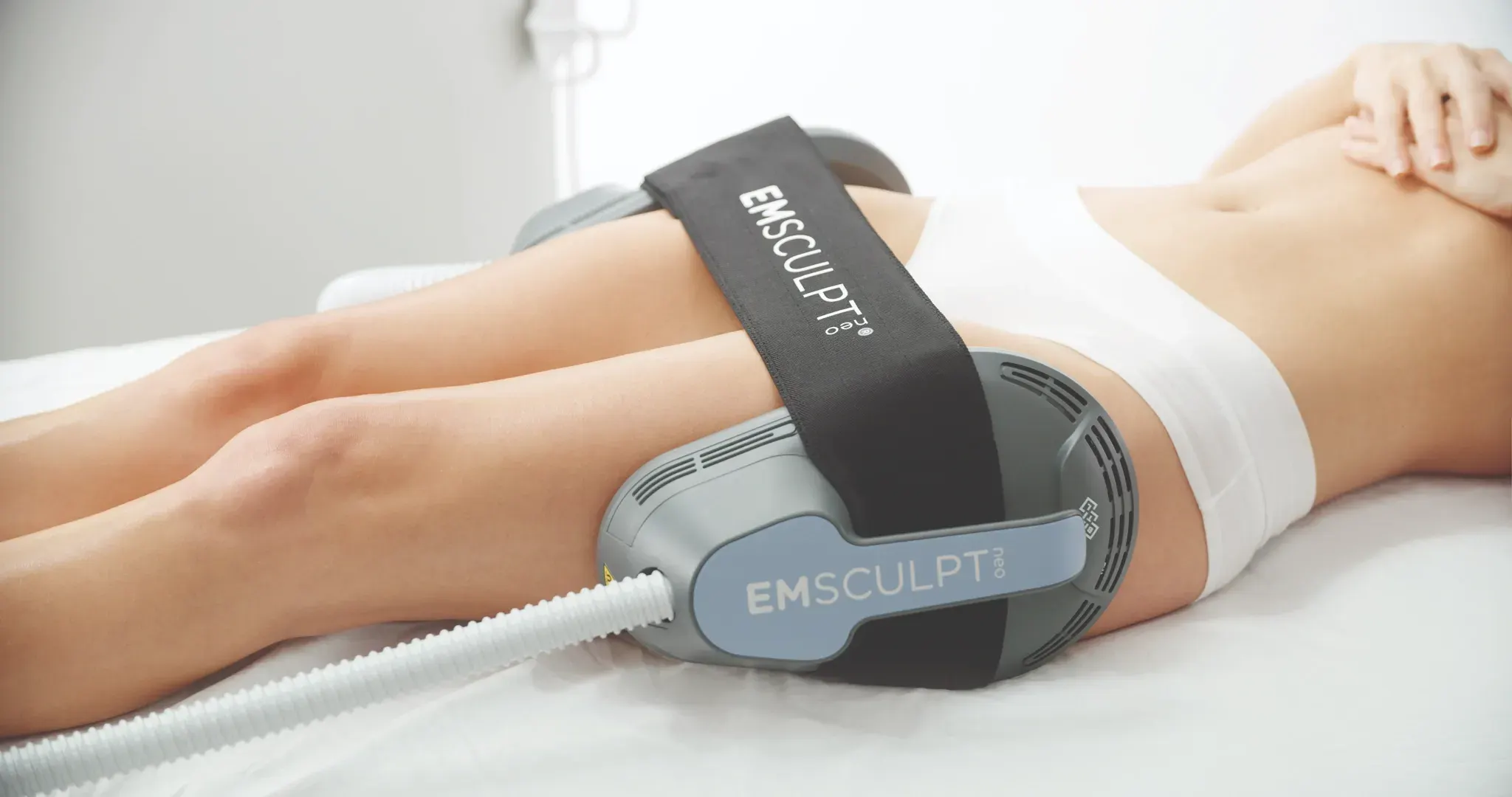
Explore More
Muscle Recovery
Rebuilds strength and core support without loading a healing joint.
- Works When Weak
- Supports Rehab
- No Joint Loading
Explore More
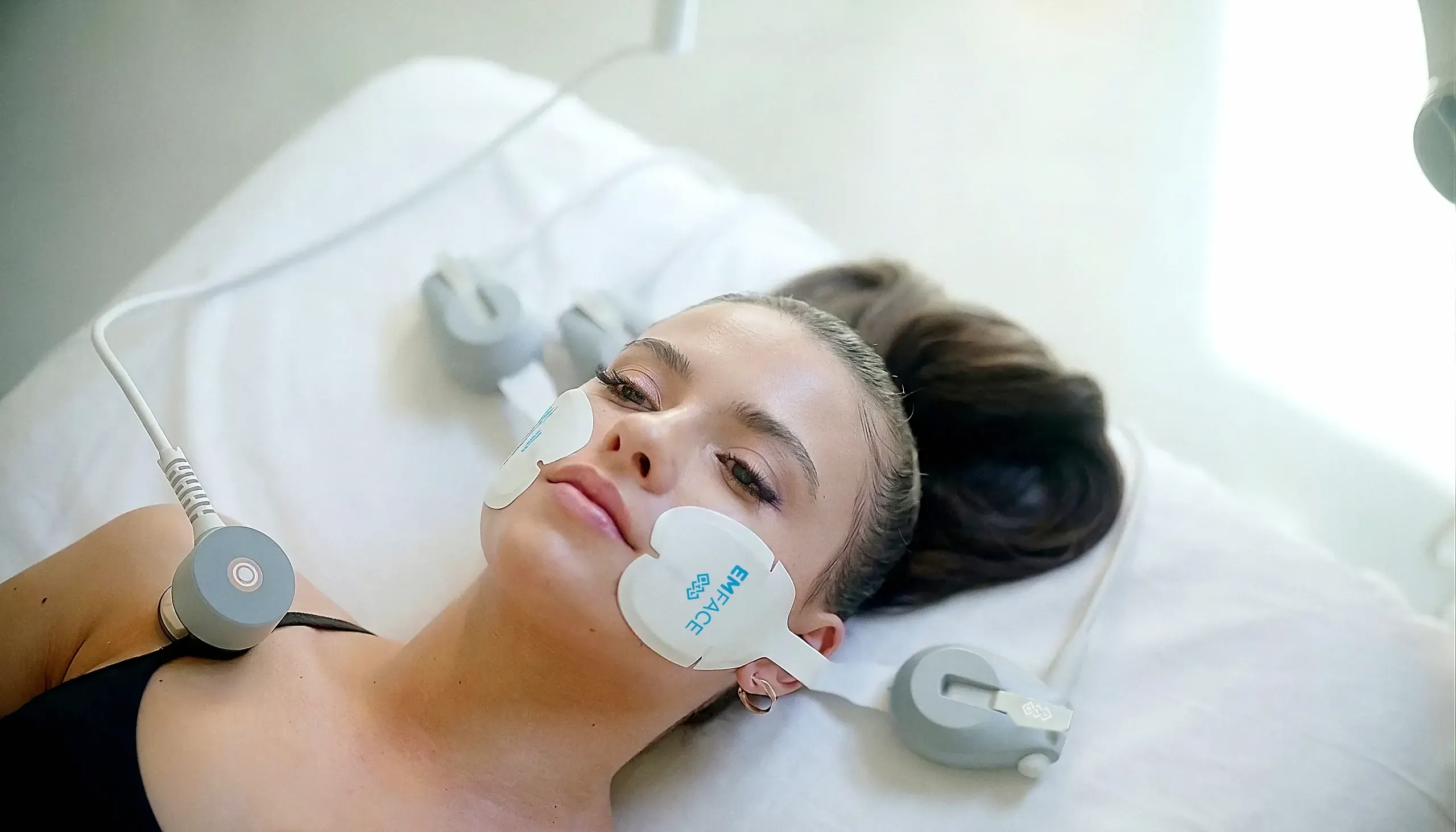
Emface
Lifts, tones and smooths the face in 20 minutes with no needles.
- No Needles
- Twenty Minutes
- Treats Muscle
Explore More
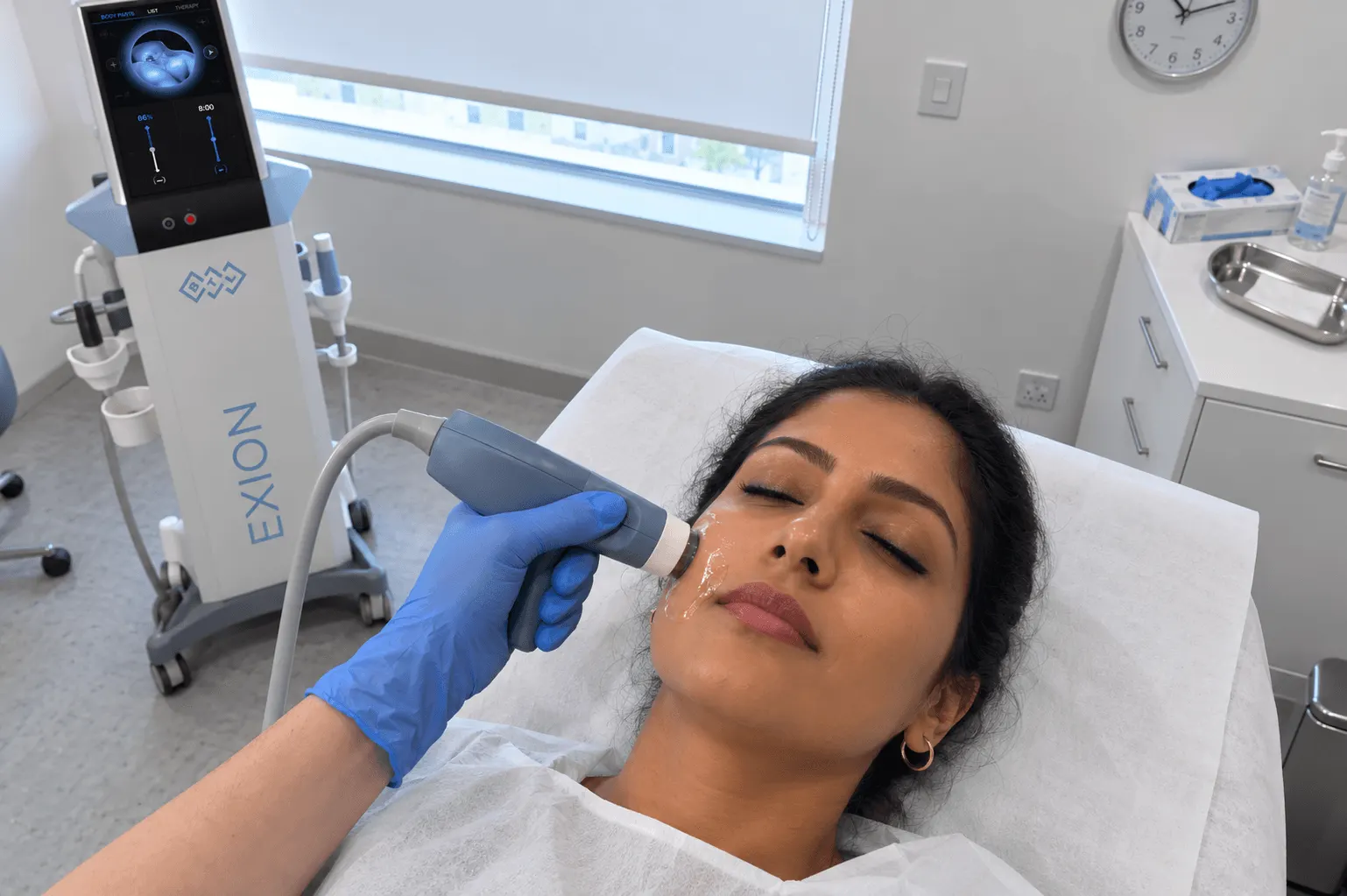
RF Microneedling with Exion
Smooths texture, softens acne scars and evens tone on the face and body.
- Face and Body
- Short Downtime
- Treats Scarring
Frequently Asked Questions About TMJ Treatment
How much does TMJ treatment cost in Ocala?
Cost depends on the number of sessions and whether a dental assessment or appliance is part of your plan. A typical course is four to six sessions. Some dental components may be billable through dental benefits while the wellness protocol is self-pay, and we separate the two clearly.
How long does TMJ relief last?
This varies. Muscle tension responds to treatment, but grinding and clenching are also habits driven by stress and sleep, so durability depends on those too. Patients who address habit and posture alongside treatment hold their relief considerably longer than those who do not.
Does TMJ treatment hurt?
No. You feel a tapping and pulling sensation in the jaw muscles and warmth on the skin, and nothing sharp. No injections are used and no numbing is needed. Mild jaw fatigue for a few hours afterward is the most common sensation reported.
When will I notice relief from jaw tension?
Most patients who respond notice easier jaw movement in the morning and fewer tension headaches within two to four weeks. Dr. Chandra rechecks jaw range and muscle tenderness at each visit, so improvement is measured rather than assumed.
How many sessions do I need?
A typical course is four to six sessions. Longstanding clenching sometimes needs more, and Dr. Chandra reassesses partway through instead of committing you to a long plan up front. If the response is poor, she will say so and change the approach.
Can men get TMJ treatment?
Yes, and jaw clenching is extremely common in men, often presenting as tension headaches rather than as jaw pain. Male masseters are typically larger and stronger, so the protocol is adjusted accordingly. The assessment and course structure are the same.
Will I still need a night guard?
In most cases yes, and we recommend one. A night guard protects enamel from grinding damage, which muscle treatment does not do, so the two work together. Because the practice includes neuromuscular dentistry, Dr. Chandra can assess tooth wear and fit a guard in the same visit.
Will this help my tension headaches?
It can if your headaches track with jaw tension, which is common when the masseter and temporalis are chronically overworked. Headaches with other causes will not respond, so Dr. Chandra takes a proper history first rather than assuming the jaw is responsible.
What if my jaw clicks or locks?
Clicking alone is common and often not concerning. A jaw that locks open or closed, a sudden change in bite, or facial numbness suggests a joint or disc problem rather than muscle overactivity, and needs evaluation and possibly imaging before any muscle treatment.
Is it safe if I have dental implants or hardware?
Yes. Dental implants, crowns, fillings and standard restorations are not a barrier to treatment, and we treat patients with implants routinely. Dr. Chandra reviews your dental history at consultation so the applicators are placed correctly.
Can I have this alongside Emface for my face?
Yes, and many patients do, since the same platform is used with a different functional protocol. Treating jaw tension and facial lifting in one plan is efficient and Dr. Chandra sequences the two so the jaw muscles are not overworked in a single visit.
Schedule Today Your Complimentary Consultation
References
- Spadon-Brito et al., Clin Oral Investig. (2025). Effectiveness of treatments for temporomandibular joint osteoarthritis: a systematic review and meta-analysis. PMID: 41091224.
- Zhang et al., Ann Palliat Med. (2021). Effectiveness of exercise therapy versus occlusal splint therapy for the treatment of painful temporomandibular disorders: a systematic review and meta-analysis. PMID: 33977737.
- Naralan et al., Oral Radiol. (2026). Masseter muscle stiffness in bruxism and myofascial pain-related temporomandibular disorders: a systematic review and meta-analysis of quantitative ultrasound elastography studies. PMID: 41874803.
- Onan et al., J Oral Facial Pain Headache. (2025). The efficacy of physiotherapy approaches in chronic tension-type headache: a systematic review and meta-analysis. PMID: 40129422.
- National Institute of Dental and Craniofacial Research. (2024). Patient guidance on temporomandibular disorders and conservative treatment.