

Hyperpigmentation Treatment in Ocala, FL
Even Out Your Skin Tone
- Common In:
- Adults 25 to 60
- Primary Causes:
- Sun, hormones, inflammation
- Treatment Time:
- 45-60 minutes
- Results:
- 8 to 16 weeks

What Is Hyperpigmentation?
Recognizing the Signs
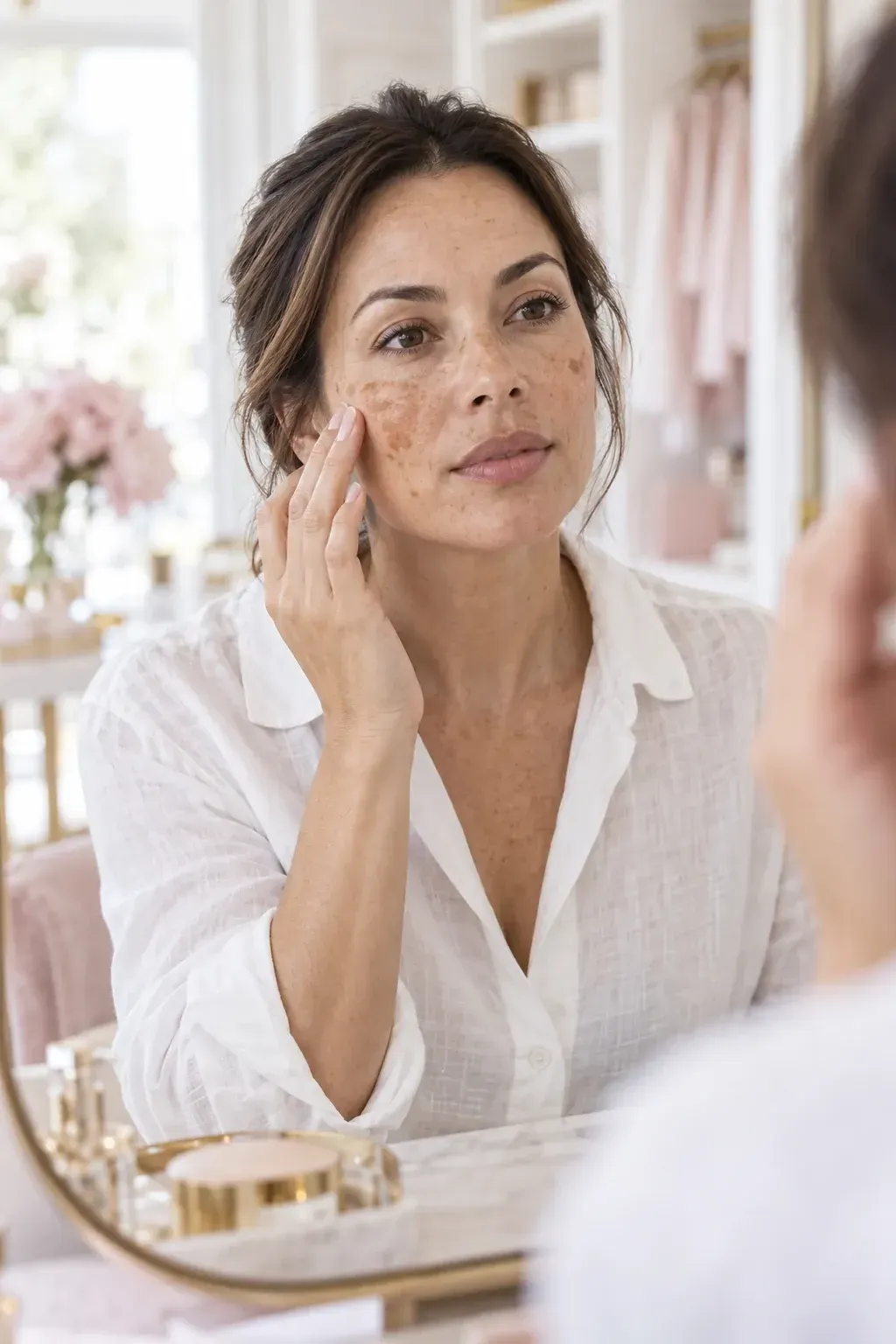
Hyperpigmentation is an excess of melanin in a localized area of skin. Melanocytes, the pigment-producing cells in the base of the epidermis, overproduce melanin in response to a trigger such as ultraviolet exposure, hormonal change or inflammation. Depending on where the pigment settles, it presents as epidermal, dermal or mixed pigmentation, and depth determines how it responds to treatment.
When you notice brown patches across the cheeks and upper lip, a scattering of dark spots on the forehead, or dark marks left where a breakout used to be, that is hyperpigmentation rather than a change in your natural skin color.
Patients describe layering concealer that lifts by lunchtime, avoiding bare-faced days, and watching patches darken every summer in Florida sun. Many have tried brightening serums and been disappointed by how slowly and unevenly they work.
Why Hyperpigmentation Happens
Understanding the Root Causes
01The Science
Melanin exists to protect you. Roughly every 28 days your skin renews itself, and melanocytes distribute pigment evenly to shield the cell nuclei below from ultraviolet damage. When exposure is repeated or intense, those cells become overactive and start producing pigment in clusters rather than evenly.
The cascade from there is straightforward. Overactive melanocytes hand off pigment granules to surrounding cells faster than turnover can clear them, so the pigment accumulates and a visible patch forms. Once established, the melanocytes in that area remain primed, which is why the same patch returns each summer.
Hormones add a second layer. Estrogen and progesterone increase melanocyte sensitivity, which is why melasma so often appears in pregnancy or on hormonal contraception and why it sits symmetrically across the cheeks. Inflammation is the third route: any injury, including acne, can leave post-inflammatory pigment. The American Academy of Dermatology emphasizes daily sun protection as the foundation of any pigment plan, and treatments such as RF microneedling with Exion work alongside it.
02Deeper Understanding
Pigment Depth and Treatment Response
Why Some Patches Are Stubborn
Where the pigment sits decides how it behaves. Epidermal pigmentation sits in the outer layer, looks sharply defined and brown, and responds relatively well to treatment that accelerates turnover. Dermal pigmentation sits deeper, looks blue-grey and blurred at the edges, and is far more resistant because the pigment is held below the layer most treatments reach.
Melasma is the difficult case. It is usually mixed-depth, driven by hormones as well as sun, and it has a strong tendency to recur. It is best described as managed rather than cured, and any treatment that generates heat or inflammation can paradoxically worsen it if energy is too aggressive. Conservative settings are not caution for its own sake here, they are the treatment strategy.
Skin tone changes the calculus again. Deeper skin tones carry a higher risk of post-inflammatory pigment change after any procedure, which is exactly the outcome you are trying to avoid. Radiofrequency-based treatment is generally safer than pigment-targeting lasers in these cases, and patients also treating texture can read our acne scars page.
What Accelerates Hyperpigmentation?
Several factors drive pigment production, and in Florida most patients are dealing with more than one at the same time.
- 01Ultraviolet ExposureSun exposure is the dominant trigger, activating melanocytes and darkening existing patches within days.
- 02Visible and Blue LightHigh-energy visible light from daylight and screens can worsen melasma even when ultraviolet exposure is controlled.
- 03Hormonal ChangePregnancy, hormonal contraception and perimenopause raise melanocyte sensitivity and commonly trigger melasma.
- 04Post-Inflammatory ResponseAny inflammation, from acne to a scratch to an aggressive treatment, can leave a dark mark behind as it heals.
- 05Heat ExposureInfrared heat from sun, saunas and hot kitchens stimulates pigment independently of ultraviolet light.
- 06Certain MedicationsSome antibiotics, hormone therapies and antimalarials increase photosensitivity and pigment deposition.

Why Choose Chandra Wellness for Hyperpigmentation Care in Ocala, FL
At Chandra Wellness Center we treat pigment conservatively on purpose, because aggressive heat is the fastest way to make melasma worse rather than better.
- Conservative Settings
- Energy is kept deliberately moderate, since excess heat can drive pigment rather than clear it.
- Depth Assessment
- We assess whether pigment is epidermal, dermal or mixed before setting expectations.
- Safer for Deeper Tones
- Radiofrequency does not target pigment the way lasers do, lowering the risk of rebound darkening.
- Sun Strategy Included
- Every plan includes a Florida-realistic sun protection routine, not just in-office sessions.
- National BTL Speaker
- Dr. Tina Chandra, DDS speaks nationally for BTL, so the protocols here are taught rather than preset.
- Treated Personally
- Every session is performed by Dr. Chandra herself, one patient at a time in a private suite.
Treatment Options Comparison
Compare the treatments we offer for uneven skin tone to find the approach that suits your pigment depth and skin type.
| Treatment | Best For | Session Time | Results Timeline | Maintenance |
|---|---|---|---|---|
| RF Microneedling with Exion | Uneven tone and texture | 45 to 60 min | 8 to 16 weeks | Every 3 to 6 months |
| Facial Skin Tightening with Exion | Overall skin quality | 30 min | 2 to 12 weeks | Every 3 to 6 months |
You May Be Experiencing Hyperpigmentation If...
Recognizing the signs of hyperpigmentation helps you understand when professional treatment such as microneedling for hyperpigmentation is worth considering.
Symmetrical Patches
Brown patches appear on both cheeks in a mirrored pattern, often with the upper lip and forehead involved.
Summer Darkening
Your patches deepen noticeably every summer and lighten a little through winter without ever clearing.
Marks After Breakouts
Spots leave a brown mark that lingers for months after the blemish itself has healed.
Concealer Dependence
You will not leave the house without coverage, and it wears off unevenly through the day.
Serums Not Working
Brightening products have made only a marginal difference after months of consistent use.
Scattered Sun Spots
Small, defined dark spots have accumulated on the forehead, temples, chest or backs of the hands.
Related Services
Explore treatments that help even skin tone and texture.
View All Services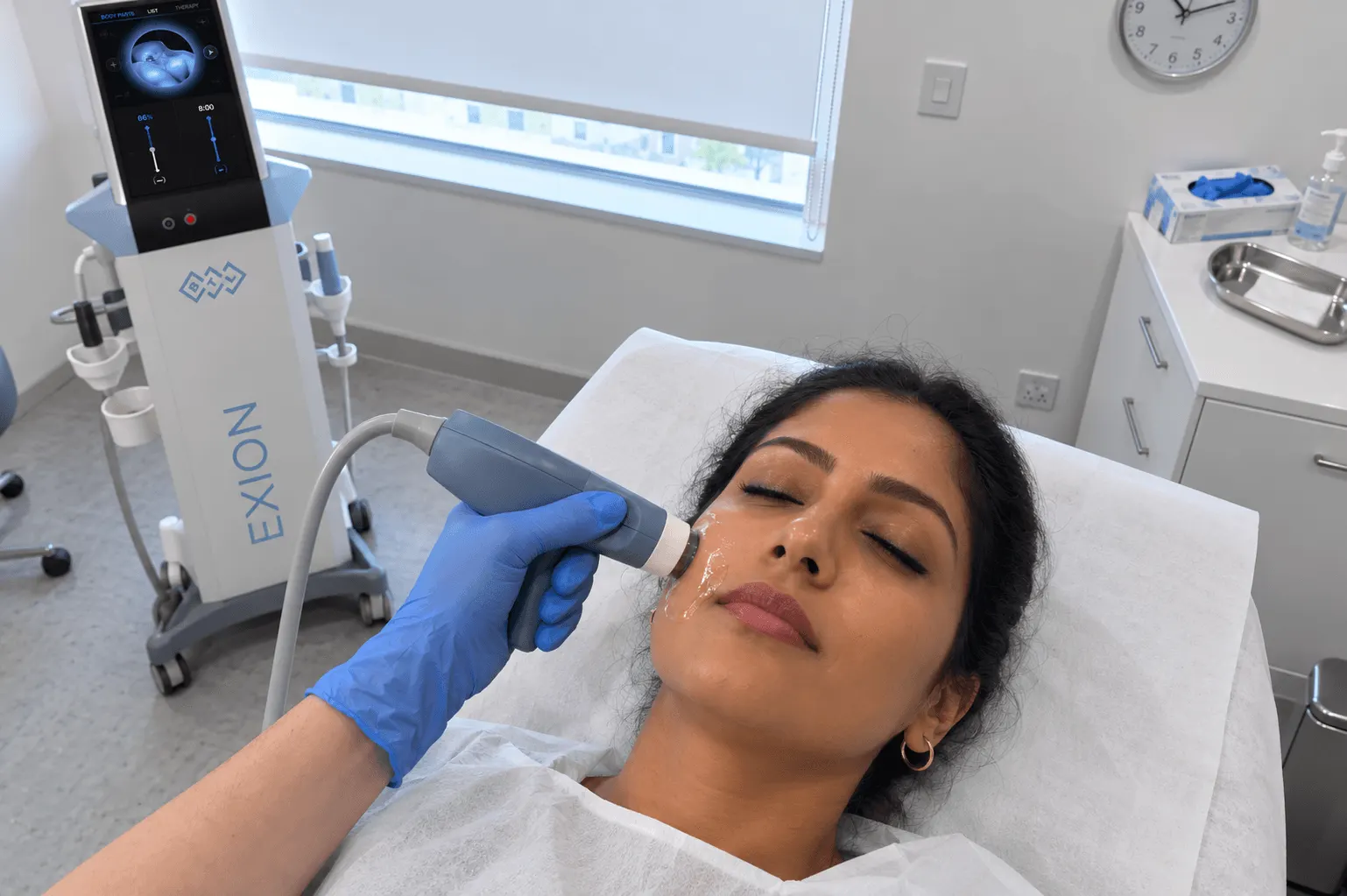
Treatments
RF Microneedling with Exion
Smooths texture, softens acne scars and evens tone on the face and body.
- Face and Body
- Short Downtime
- Treats Scarring
Treatments
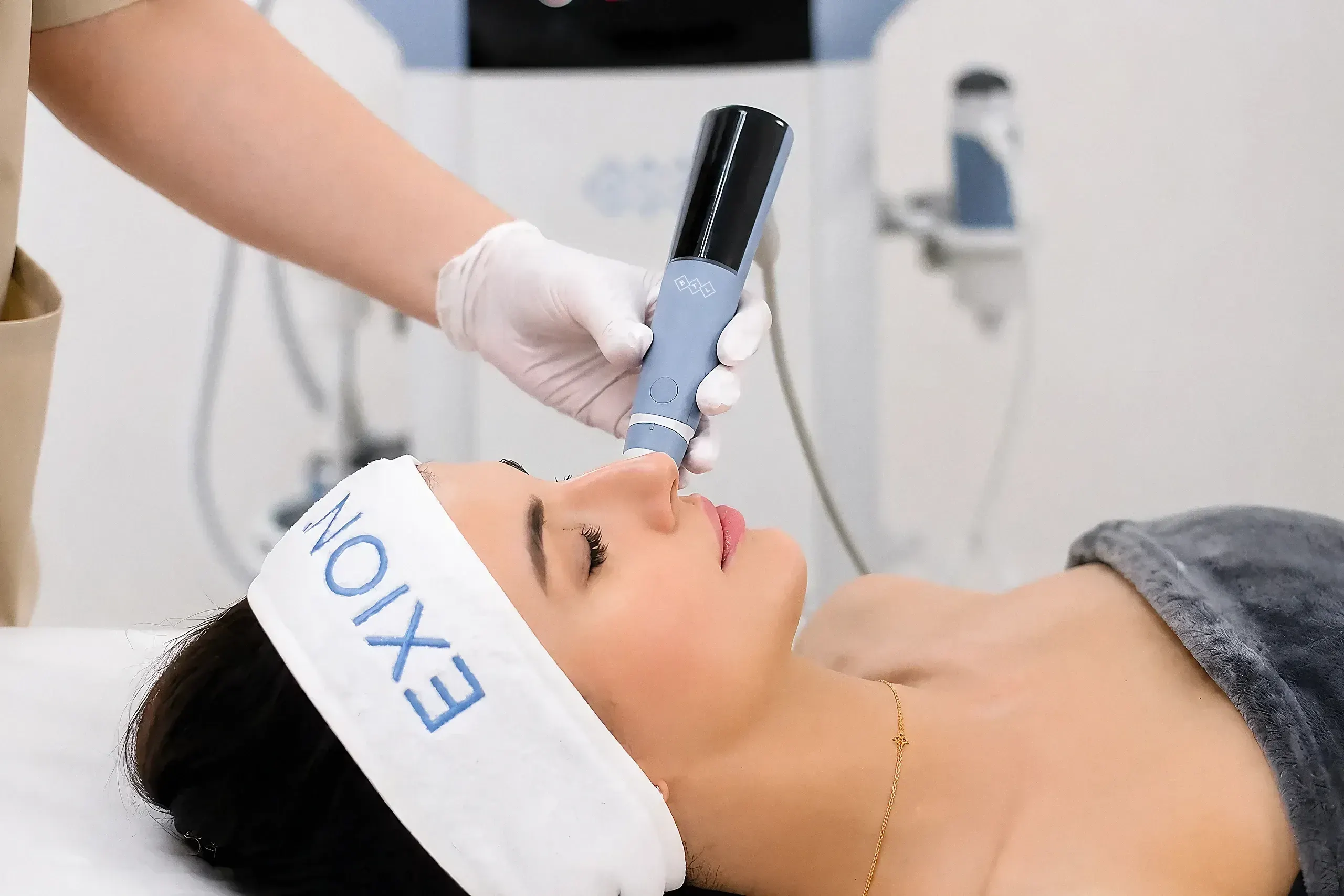
Facial Skin Tightening with Exion
Firms the jawline, cheeks and neck with controlled radiofrequency heat.
- No Needles
- Zero Downtime
- Builds Collagen
Treatments
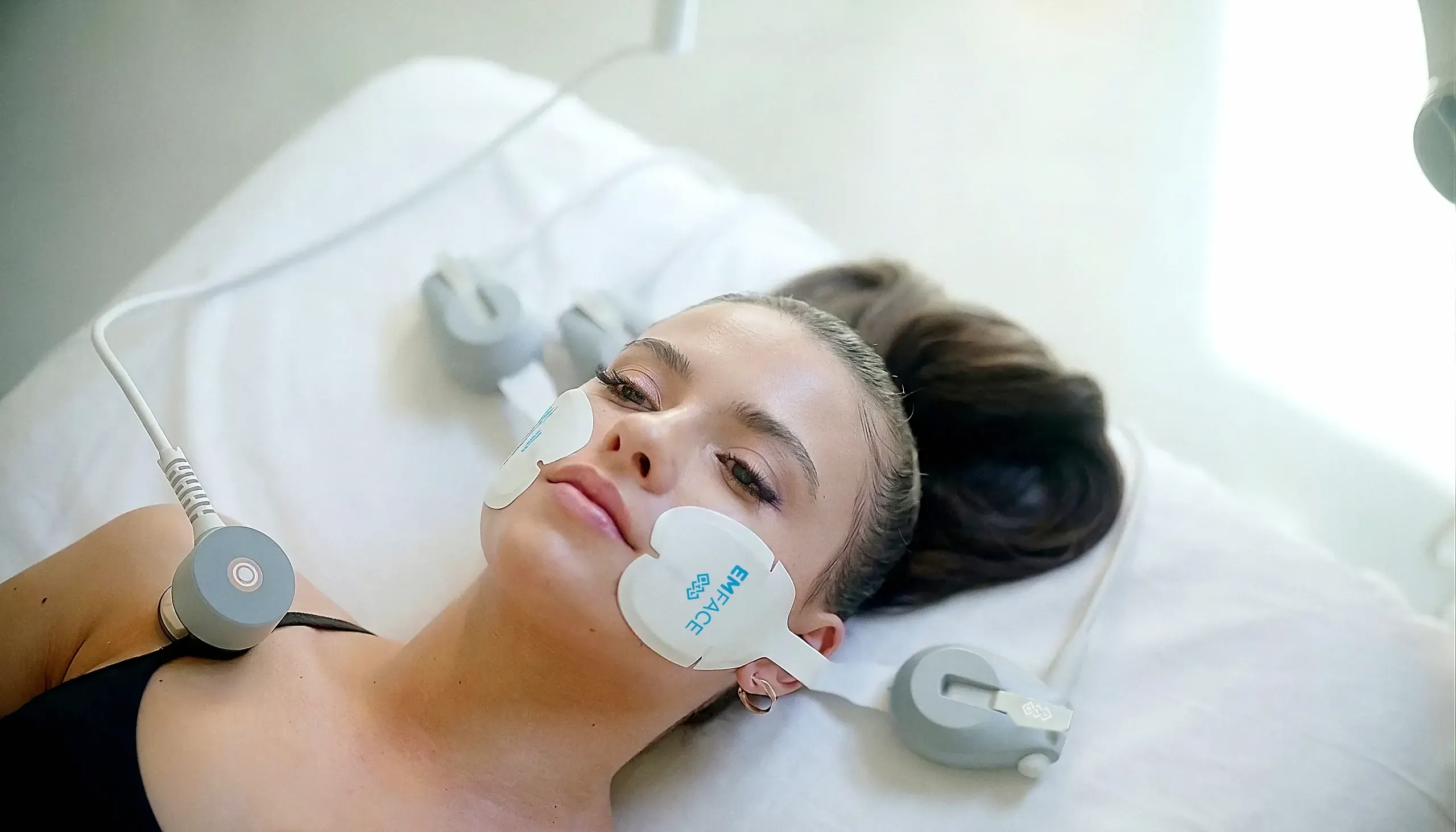
Emface
Lifts, tones and smooths the face in 20 minutes with no needles.
- No Needles
- Twenty Minutes
- Treats Muscle
Frequently Asked Questions
Can I prevent hyperpigmentation from getting worse?
Yes, and sun protection does most of the work. Daily broad-spectrum sunscreen with reapplication, plus a hat and shade in Florida summers, prevents existing patches from darkening. Tinted mineral sunscreens also block visible light, which matters specifically for melasma.
How do I know which treatment is right for my pigmentation?
Pigment depth decides it. Epidermal pigment responds relatively well, dermal pigment resists, and melasma needs a deliberately gentle approach. We assess depth and pattern at consultation and set expectations accordingly rather than promising a clearance we cannot deliver.
How quickly will I see improvement?
Tone usually looks more even within 4 to 6 weeks, with the clearest change 8 to 16 weeks into a series as cell turnover clears accumulated pigment. Progress depends heavily on sun protection between sessions, more than on the sessions themselves.
Is melasma the same as sun spots?
No. Sun spots are discrete, well-defined marks from cumulative ultraviolet exposure and respond fairly well to treatment. Melasma is a broader, symmetrical, hormonally influenced pattern that is usually mixed in depth and tends to recur, so it is managed rather than cured.
Can heat make my pigmentation worse?
It can, and this is often overlooked. Infrared heat from sun, saunas, hot yoga and even cooking over a stove can stimulate melanocytes independently of ultraviolet light. Patients with melasma often improve simply by reducing heat exposure alongside treatment.
What can I do at home between treatments?
Wear sunscreen every day without exception, choose a tinted mineral option if you have melasma, avoid picking at blemishes, and use any brightening actives your provider recommends consistently. Alastin medical-grade skincare is available in the office.
Can multiple treatments be combined for pigmentation?
Yes, and layering usually works better than one approach alone. Many patients pair RF microneedling for texture and tone with facial skin tightening for overall skin quality, spaced so the skin recovers fully. Topical treatment continues throughout.
When should I see a professional about dark patches?
Any new, changing, irregular or rapidly growing pigmented lesion should be seen by a dermatologist first to rule out skin cancer, not treated cosmetically. For stable, symmetrical patches and post-acne marks, a cosmetic assessment is reasonable.
Schedule Today Your Complimentary Consultation
Scientific References
- Feng et al., J Cosmet Dermatol. (2024). The efficacy and safety of microneedling with topical tranexamic acid for melasma treatment: A systematic review and meta-analysis. PMID: 37584240.
- Bailey et al., J Am Acad Dermatol. (2022). Microneedling as an adjuvant to topical therapies for melasma: A systematic review and meta-analysis. PMID: 33857549.
- Neagu et al., J Dermatolog Treat. (2022). Melasma treatment: a systematic review. PMID: 33849384.
- Liu et al., Front Med (Lausanne). (2021). Comparison of the Efficacy of Melasma Treatments: A Network Meta-Analysis of Randomized Controlled Trials. PMID: 34660626.
- Ramaut et al., J Plast Reconstr Aesthet Surg. (2018). Microneedling: Where do we stand now? A systematic review of the literature. PMID: 28690124.
- American Academy of Dermatology. (2024). Patient guidance on melasma diagnosis, treatment and the role of sun protection.