

The Science Behind Collagen and Elastin Boosting
Collagen and elastin are the structural proteins behind firm, resilient skin. Here is what they do, why production declines with age, and which strategies genuinely support them.
Collagen forms the scaffold that supports skin structure. Elastin gives skin the spring that lets it snap back after being stretched. Both decline with age, and elastin in particular is not meaningfully replaced after adolescence. Nutrition, sun protection, topical actives, and professional treatment that reaches the dermis all support what remains.
What Collagen and Elastin Do
Collagen and elastin are structural proteins found in the skin, providing support, elasticity, and strength. Collagen makes up the majority of the skin's extracellular matrix, forming a scaffold that supports the skin's structure. Elastin, as the name suggests, is responsible for elasticity, allowing skin to return to place after being stretched or compressed.
The Role They Play in Skin Health
Together they maintain firmness, smoothness, and resilience, and they play a crucial role in preventing sagging and wrinkles. As we age, production naturally declines, leading to visible signs of aging including wrinkles, fine lines, and loss of elasticity.
Understanding the Decline
Several factors contribute. These include genetic predisposition, exposure to ultraviolet radiation, environmental pollutants, smoking, and poor dietary habits. Hormonal changes, such as those experienced during menopause, also affect collagen and elastin synthesis. Ultraviolet A in particular activates enzymes that actively break down existing collagen, which is why sun exposure accounts for so much visible facial aging.
Supporting Production Naturally
While aging is inevitable, there are steps that support production and slow the decline:
- Nutrition: a diet rich in antioxidants, vitamins, and minerals supports collagen synthesis. Foods high in vitamin C, such as citrus fruits and leafy greens, are particularly useful since vitamin C is essential for collagen production. Omega-3 fatty acids from sources like salmon and walnuts help maintain skin elasticity.
- Topical treatments: products containing retinoids, peptides, and vitamin C can stimulate collagen production and promote skin renewal. Retinoids in particular are well studied for improving skin texture.
- Lifestyle habits: protecting skin from ultraviolet radiation with daily sunscreen prevents collagen and elastin breakdown. Adequate sleep, managed stress, and not smoking all support skin health.
- Professional treatments: procedures such as microneedling, radiofrequency, and resurfacing stimulate collagen production and improve texture and tone.
How EXION Microneedling Fits In
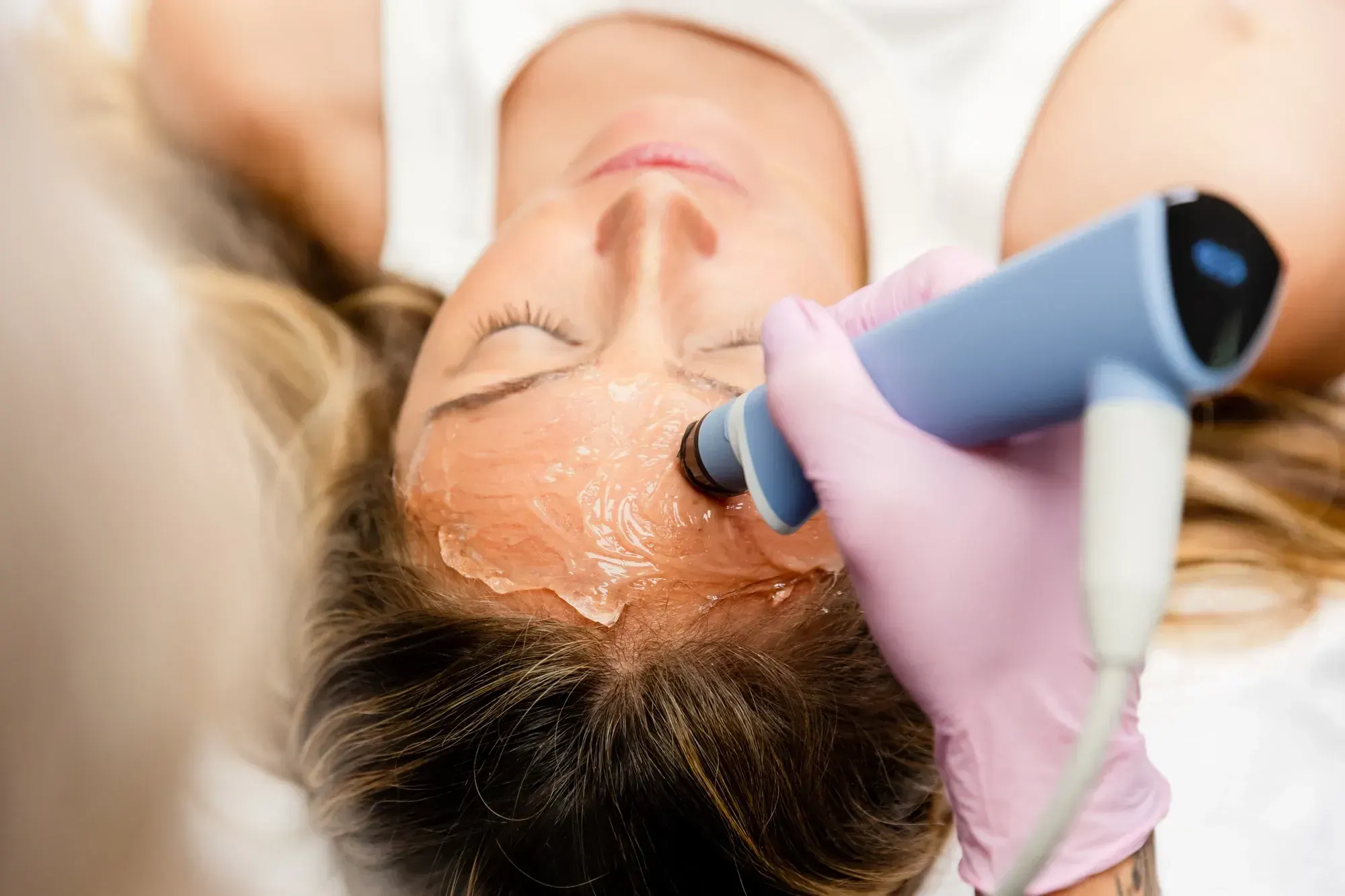
EXION microneedling creates microscopic channels in the skin's surface while delivering radiofrequency energy at a set depth, triggering the body's natural healing response and stimulating collagen and elastin production. The result is smoother, firmer skin with improved texture and tone.
Customizable settings allow targeting of specific concerns such as wrinkles, fine lines, acne scars, and uneven pigmentation. Read more on our RF microneedling with Exion page, or about facial skin tightening if firmness rather than texture is your concern.
A Comprehensive Approach
Through a combination of proper nutrition, consistent skincare, healthy lifestyle habits, and professional treatment, you can effectively support collagen and elastin synthesis. Schedule your EXION session at Chandra Wellness Center by calling (352) 861-0224 or contact us.