

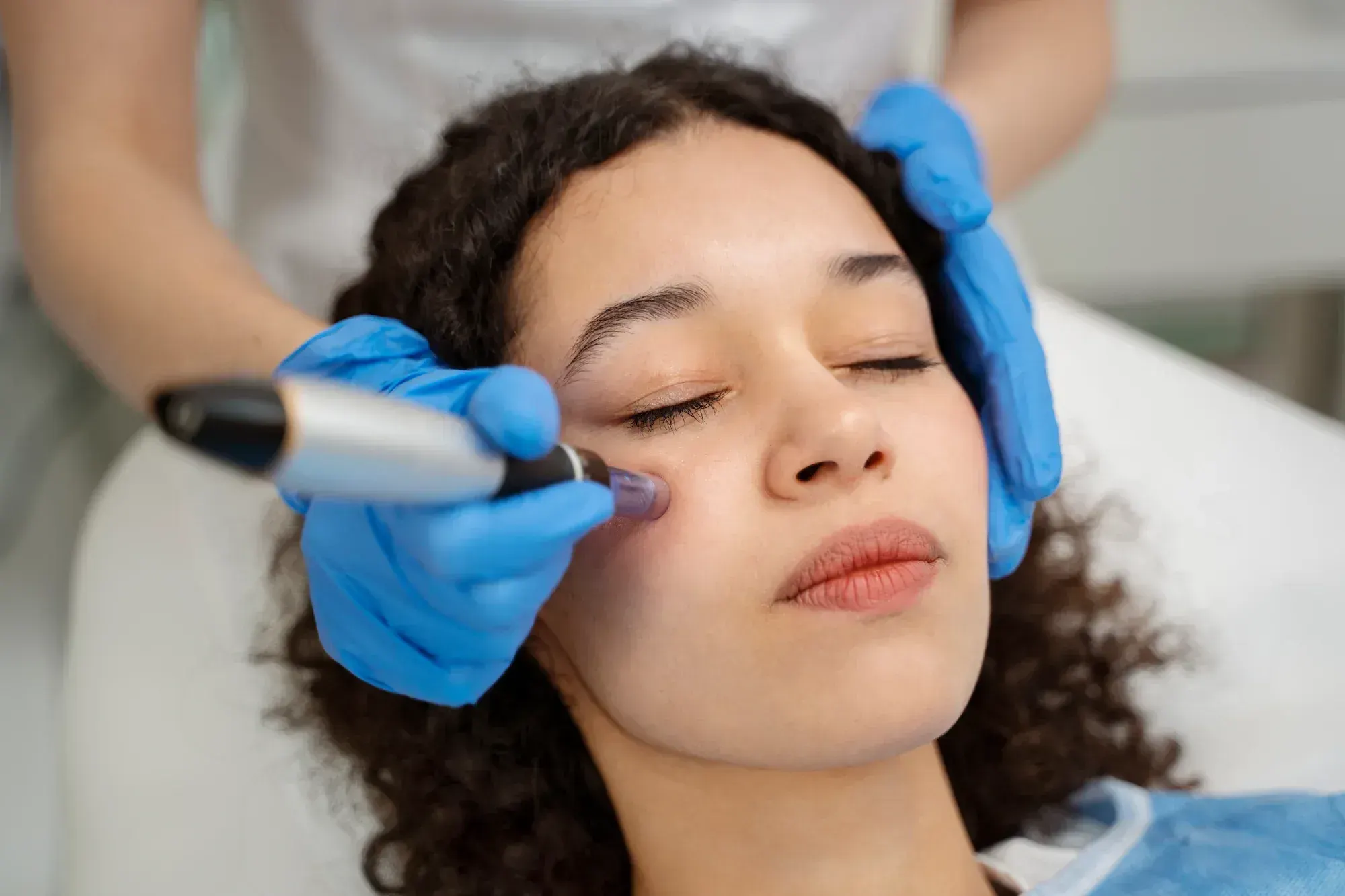
RF Microneedling vs Traditional Microneedling: What Is the Difference?
Microneedling has long been a favorite for rejuvenating the skin, but not all microneedling treatments are created equal. Here is how RF microneedling differs from the traditional approach, and which one fits which goal.
Traditional microneedling creates controlled micro-injuries with fine needles to trigger collagen. RF microneedling adds radiofrequency energy delivered through those same needles, heating the deeper tissue and producing a much stronger collagen response. If your concern is surface texture, traditional microneedling can be enough. If it is sagging skin, deeper wrinkles, or acne scars, RF microneedling is usually the better choice.
What Is Traditional Microneedling?
Traditional microneedling, also known as collagen induction therapy, involves using a device with fine needles to create thousands of tiny punctures in the skin. These micro-injuries stimulate the body's natural healing response, increasing collagen and elastin production.
Benefits include:
- Reduced appearance of acne scars
- Smoother texture and tone
- Minimized pore size
- Improvement in fine lines
What Makes RF Microneedling Different?
RF, or radiofrequency, microneedling takes traditional microneedling a step further by delivering radiofrequency energy deep into the skin through the needles. This added energy heats the tissue, boosting collagen production further and tightening the skin from within.
Additional benefits of RF microneedling include:
- More effective skin tightening
- Deeper collagen remodeling
- Better outcomes for deeper wrinkles and scars
- Improved results in fewer sessions
Which Is Right for You?
If your primary concern is surface-level texture, traditional microneedling can be an excellent option. However, if you are looking for a more powerful treatment, especially for sagging skin, deeper wrinkles, or acne scars, RF microneedling is likely the better choice.
At Chandra Wellness Center, we offer EXION RF microneedling in Ocala, FL, which uses guided energy delivery and an extended-mode thermal gradient to enable deeper, more precise treatment with less discomfort and downtime.
What About Skin Tone?
Both treatments are appropriate across the full range of skin tones, which is one of their real advantages over ablative lasers. Because radiofrequency energy targets depth rather than pigment, the risk of post-inflammatory pigment change is lower. Conservative settings and strict daily sun protection still matter, particularly in deeper skin tones.
The Bottom Line
Both treatments have their place, but RF microneedling has become the stronger option for those seeking more significant skin rejuvenation. It is safe for all skin types, minimally invasive, and delivers real results with short downtime of one to three days.
Want to know which microneedling option is best for your skin? Schedule a personalized consultation at Chandra Wellness Center in Ocala and let our team guide you. Patients treating acne scars or hyperpigmentation can read more on those pages, or explore all our facial rejuvenation treatments.