

How to Get Rid of Cellulite: What Actually Works
Cellulite is not a weight problem, which is why squats, creams and dry brushing do not fix it. Here is what actually causes the dimpling, what the evidence says about each option, and what genuinely changes the structure underneath.
You cannot get rid of cellulite with weight loss, creams or exercise, because cellulite is a structural problem rather than a fat problem. The dimpling comes from stiff fibrous bands called septae that tether the skin downward while the collagen layer above them thins, which is why it appears on lean and athletic bodies too. What does change the appearance is treatment that addresses both of those things: loosening the fibrous tethering and rebuilding collagen in the dermis. Energy-based in-clinic treatment is the only category with meaningful evidence behind it.
What Causes Cellulite?
Under your skin, fat sits in chambers separated by connective tissue bands that run from the deeper layers up to the dermis. In female anatomy those bands typically run vertically and in a fairly regular pattern, so when fat chambers push upward between them the surface shows the familiar quilted dimpling. In male anatomy the bands more often run diagonally in a criss-cross pattern, which distributes pressure differently and is a large part of why cellulite is far more common in women.
Two changes make it worse over time. The bands themselves stiffen and shorten, pulling the skin down harder at fixed points. And the collagen layer above them thins with age, so the skin has less structural resistance to being tented. Add reduced lymphatic drainage and mild fluid retention in the tissue, and the dimpling reads more sharply in the same lighting than it did five years earlier.
An evidence-based review in the American Journal of Clinical Dermatology and a clinical guide in Aesthetic Plastic Surgery both describe cellulite as a multifactorial condition involving connective tissue architecture, dermal thinning, microcirculation and hormonal influence. That multifactorial nature is exactly why single-mechanism approaches disappoint.
What Does Not Work for Cellulite
Weight loss is the most common assumption and the most common disappointment. Losing weight can reduce the volume pressing upward, which sometimes helps a little, but it does not change the fibrous tethering. In patients who lose significant weight, dimpling frequently looks worse afterward because the skin loses support and the tethering becomes more visible against a flatter surface.
Squats and lunges build the gluteal and thigh muscle underneath. That is good for your health and it changes the shape of the leg, but it does nothing to the septae or the dermis, and a larger muscle can push the fat layer outward and make the surface texture slightly more obvious. Plenty of very fit women have visible cellulite.
Dry brushing, foam rolling and massage all move lymphatic fluid, which produces a genuine but very short-lived smoothing effect lasting hours to days. None of them remodel connective tissue.
Do Cellulite Creams Work?
Not in the way the packaging implies. Topical products fall into a few categories. Caffeine-based creams cause temporary local dehydration and vasoconstriction, which tightens the surface for a few hours. Retinol-containing products can, with many months of consistent use, modestly thicken the epidermis and improve skin quality, which slightly softens how dimpling reads. Hydrating products plump the surface temporarily.
What none of them can do is reach the septae. A topical molecule has to cross the stratum corneum and then travel through the full thickness of the dermis to affect fibrous bands anchored below it, and creams do not achieve that at meaningful concentration. A systematic review comparing cellulite treatment modalities found topical agents consistently among the weakest performers.
That does not make good skincare pointless. Better skin quality genuinely improves how the area looks, and it supports in-clinic results. It is simply not a treatment for the cause.
In-Clinic Options That Target the Cause
The treatments with real evidence share one feature: they deliver energy into the dermis and the septal layer, where the problem actually lives.
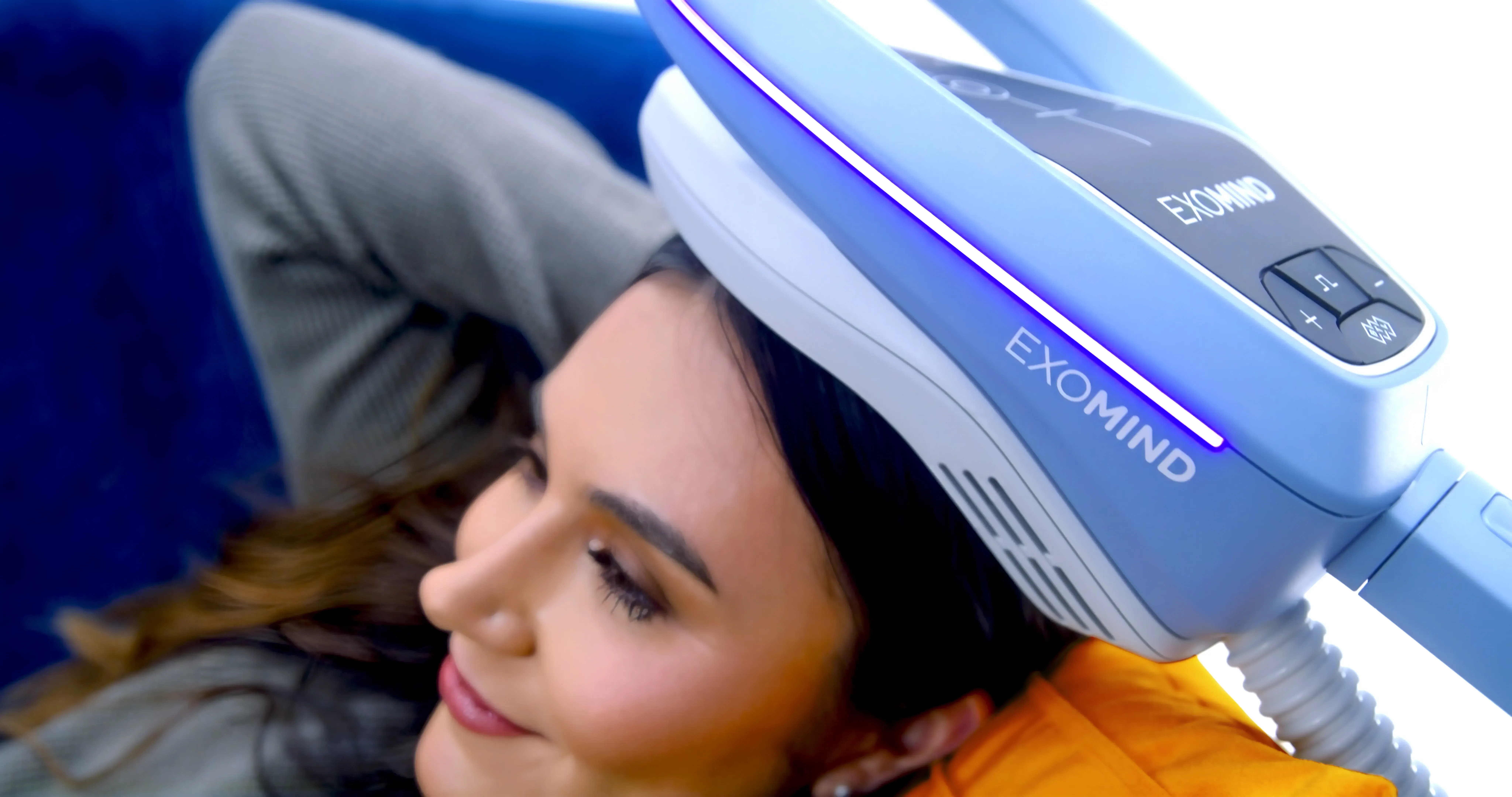
Mechanical pressure energy delivers rapid pulses that work on the stiff fibrous bands directly while also stimulating lymphatic drainage. Radiofrequency heats the dermis into a therapeutic range and holds it there, which contracts existing collagen for early tightening and prompts fibroblasts to build new collagen and elastin over the following weeks. Delivering both at once, in the same pass, is what cellulite treatment with Emtone in Ocala, FL does.
Other options exist. Acoustic wave therapy has been studied for cellulite with mixed but generally positive results. Subcision physically cuts individual fibrous bands, which is effective for a small number of deep, discrete dimples but is a procedural intervention with a one to two week recovery. Injectable approaches exist for specific presentations. None of these address a broad, diffuse dimpling pattern as practically as combined energy treatment does.
How Emtone Works on Cellulite and Skin Laxity
Emtone combines targeted pressure energy with radiofrequency through a single handpiece, applied in overlapping passes across the treatment area. The mechanical component loosens septal tethering and moves lymphatic fluid. The thermal component drives collagen remodeling in the dermis above. Because those are the two structures responsible for the appearance, treating them together is what produces smoothing that reads as genuinely different skin rather than temporary tightness.
Sessions run 20 to 30 minutes and most patients describe them as similar to a deep tissue massage with a heating pad. There is no downtime: warmth and light pinkness typically fade within an hour. A typical plan is four to six weekly sessions per area, with skin usually feeling firmer at two to three weeks and the clearest visible change around 12 weeks after the final session, as new collagen matures. Results are maintained with a session every 3 to 6 months.
Because cellulite frequently sits alongside loose skin, many patients pair it with body RF skin tightening with Exion, and those wanting to change shape as well as texture add Emsculpt Neo body sculpting. Emtone is not appropriate for anyone with a pacemaker, defibrillator, neurostimulator or metal implants in the treatment area, or where skin sensation is impaired.
What to Expect From a Realistic Cellulite Plan
Set the expectation correctly and you will be far happier with the outcome. Cellulite is improved, not erased. It is a structural condition that continues to progress with age, so the honest framing is meaningful reduction in how visible the dimpling is, maintained with periodic treatment, rather than a permanent cure.
A realistic plan looks like this: four to six weekly sessions per area, standardized photographs under the same lighting at each visit so progress is measured rather than guessed at, consistent hydration and movement between sessions to support lymphatic clearance, and a maintenance session every three to six months afterward. Patients who follow that pattern hold their results considerably longer than those who complete a series and stop entirely.
Frequently Asked Questions About Cellulite
How do you get rid of cellulite?
You reduce its appearance rather than eliminate it, by treating the fibrous bands that tether the skin and rebuilding the thinning collagen above them. Energy-based in-clinic treatment that combines mechanical pressure with radiofrequency is the approach with the strongest supporting evidence.
What causes cellulite?
Fibrous connective tissue bands tether the skin downward while fat chambers push upward between them, producing the quilted surface. Thinning dermal collagen with age makes the effect more visible, and the vertical arrangement of these bands in female anatomy is why cellulite is far more common in women.
Do cellulite creams work?
Only superficially and temporarily. Caffeine-based products tighten the surface for a few hours, and long-term retinol use can modestly improve skin quality. Neither reaches the fibrous bands anchored deep in the dermis, which is where the dimpling originates.
Does Emtone get rid of cellulite?
Emtone meaningfully reduces the appearance of cellulite by loosening fibrous tethering and stimulating new collagen, and it is FDA cleared for the temporary reduction of cellulite appearance. It improves rather than erases, and results are maintained with periodic sessions.
How many sessions does cellulite treatment take?
Most patients need four to six weekly sessions per area. Deeper dimpling or larger areas sometimes call for six. Dr. Chandra maps the pattern under raking light at consultation and sets the number then rather than selling a fixed package in advance.
Is cellulite treatment permanent?
No. Cellulite is a structural condition that progresses with age, and the collagen gains from treatment fade gradually. A single maintenance session every 3 to 6 months keeps the texture where you got it.
Book Your Cellulite Consultation in Ocala, FL
If you have spent money on creams and gym programs without changing the texture, the useful next step is having the pattern properly assessed. Dr. Tina Chandra maps dimpling under raking light, sets handpiece pressure and radiofrequency depth to your skin thickness, and gives you a session count and total up front. Call (352) 861-0224 or contact our Ocala office. We see patients from Belleview, Silver Springs, Summerfield, The Villages, Dunnellon and the surrounding Marion County communities.
Related Articles
- Emsculpt Neo vs CoolSculpting: Which Non-Invasive Fat Treatment Is Right for You?
- How to Strengthen Your Pelvic Floor and Stop Bladder Leaks
References
- Lim et al., Aesthetic Plast Surg. (2025). Comparative Analysis of Cellulite Treatment Modalities: A Systematic Review. PMID: 39547984.
- Menon et al., Aesthetic Plast Surg. (2024). A Clinical Guide to the Treatment of Cellulite and Comprehensive Review of the Etiology, Pathophysiology, and Utility of Intervention. PMID: 38057600.
- Luebberding et al., Am J Clin Dermatol. (2015). Cellulite: an evidence-based review. PMID: 25940753.
- Khalil et al., Dermatol Clin. (2024). Cellulite: An Update on Pathogenesis and Management. PMID: 37977679.
- Modena et al., J Cosmet Laser Ther. (2017). Extracorporeal shockwave: mechanisms of action and physiological aspects for cellulite, body shaping, and localized fat-Systematic review. PMID: 28590827.
- American Academy of Dermatology. (2024). Patient guidance on cosmetic treatments, including energy-based options for cellulite.